

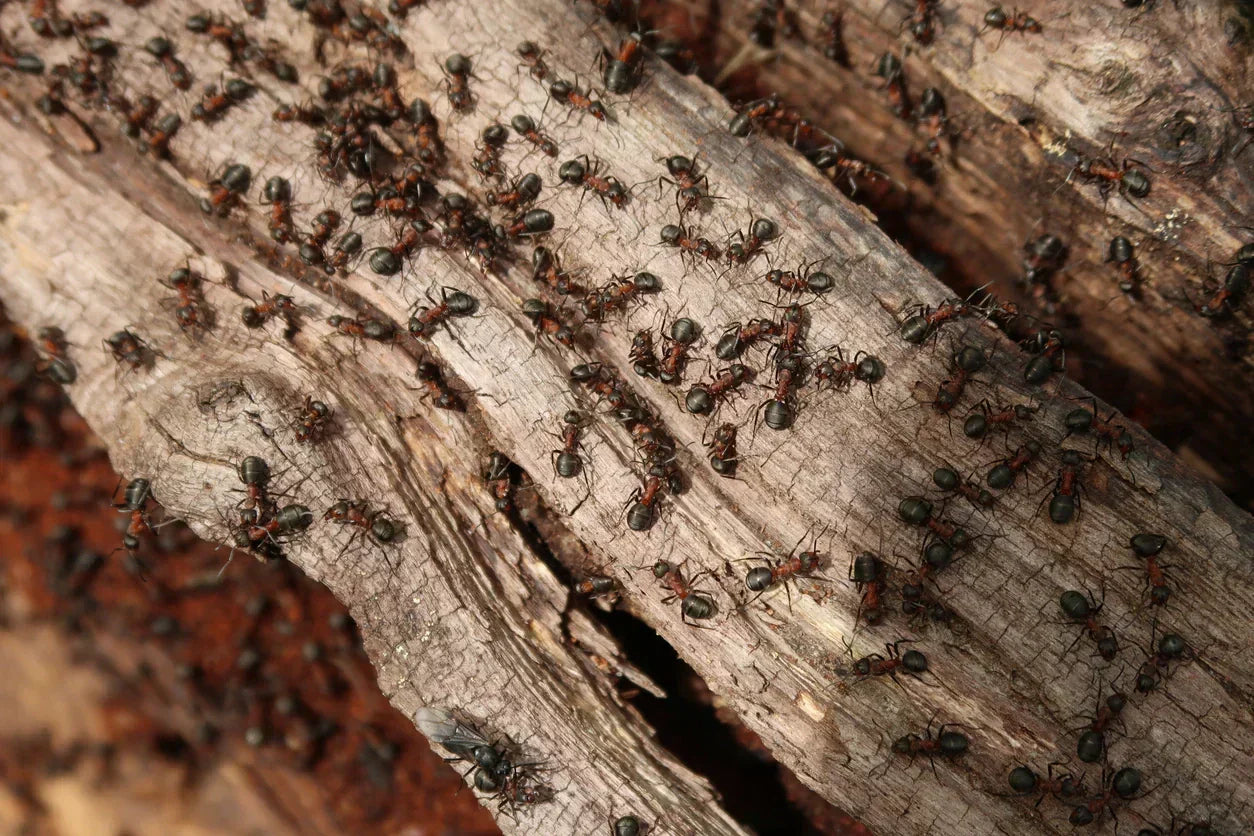

Where Do Ants Go During The Winter?
Have you ever wondered what our tiny ant friends do during the winter when temperatures drop to freezing levels? In this article, you'll learn all about the hidden techniques ants use to survive the winter so they can thrive the rest of the year!
Ants and Cold Temperatures
Ants are ectothermic creatures, which means they are significantly impacted by cold temperatures. As temperatures drop, their metabolic rates decrease, slowing down their movement and overall activity. In extremely cold conditions, ants may enter a state of dormancy or hibernation to conserve energy and survive the harsh environment.
Additionally, cold weather can also disrupt the foraging patterns of ants, as food sources become scarce and harder to access. Overall, cold temperatures pose a considerable challenge to the survival and behavior of ant colonies, requiring them to adapt their strategies to endure the adverse conditions.
Can Ants Freeze to Death?
Yes, prolonged exposure to freezing temperatures can be fatal for ants, as it can lead to ice crystal formation within their bodies, damaging cells and tissues. However, many ants have evolved clever ways to avoid death during winter.
Do Ants Hibernate?
Ant colonies often exhibit a fascinating strategy similar to hibernation in order to endure cold temperatures by seeking shelter in locations where the environment offers more stable temperatures and protection from the elements. Before entering a state of suspended animation, ants may retreat deep underground, into their nests or burrows, where the soil acts as a natural insulator, helping to maintain a relatively constant temperature.
Internal Temperature Regulation
Some ant species construct elaborate nest structures that incorporate materials like soil, plant matter, and even their own bodies to regulate internal temperatures. By congregating in these sheltered areas, ants can reduce their exposure to the cold and conserve energy while waiting for more favorable conditions to return. This behavior showcases the remarkable adaptability and collective intelligence of ant colonies in navigating challenging environmental conditions and contributes to ants role in the ecosystem.
What is Diapause?
Diapause refers to a physiological state of suspended development or activity typically triggered by environmental cues such as changes in temperature, daylight length, or food availability. During diapause, ants may cease reproduction, slow down their metabolism, and reduce overall activity levels as a survival strategy in response to unfavorable conditions.
Unlike hibernation, which involves a prolonged period of reduced metabolic activity and lowered body temperature, diapause in ants often does not involve such extreme physiological changes. Instead, ants may remain relatively active within their nests, albeit at a slower pace, and are still capable of responding to stimuli and carrying out essential colony functions.
Diapause serves as a mechanism for ants to conserve energy and resources during challenging times while maintaining a level of readiness to resume normal activity when conditions become more favorable.
How Do Ants Survive the Winter?
As winter approaches, ants don’t simply disappear, they shift into survival mode. Their routines, colonies, and even metabolisms change to endure the cold months ahead.
Resource Gathering
As temperatures drop signaling the onset of winter, ants engage in a series of behaviors to prepare for the challenges ahead. Ant colonies intensify their foraging activities during the autumn months, diligently collecting food resources to build up energy reserves for the winter ahead. This accumulation of reserves is crucial for sustaining the colony through periods of reduced foraging activity and scarce food sources during the colder months. As temperatures continue to decrease, ants begin to sense the changing conditions and adjust their behavior accordingly.
Locating Wintering Areas
Ants exhibit a remarkable ability to seek out suitable wintering areas as temperatures drop. They may establish subterranean burrows beneath the soil, utilizing the insulating properties of the earth to maintain consistent body heat. Alternatively, ants may secure refuge beneath rocks, tree roots, or within the crevices of tree bark, creating protected spaces where they can huddle together to conserve warmth. These chosen locations serve as sanctuaries from the harsh winter elements, providing the colony with the necessary shelter to endure the cold.
Colony Clustering
Once settled in their wintering areas, ants form tight clusters around the queen and brood, providing warmth and protection. This clustering behavior helps to maintain a stable temperature within the colony, allowing ants to conserve energy and survive the winter months. As temperatures continue to decrease and environmental conditions become less conducive to activity, ants enter a state of diapause.
Entering Diapause
During diapause, ants reduce their metabolic rate, cease reproductive activity, and enter a state of dormancy, conserving energy until conditions improve in the spring. This period of suspended development and reduced activity enables ants to endure the challenges of winter and emerge
Emerging for Spring
As temperatures warm up and the grip of winter loosens, ants gradually emerge from diapause, signaling the beginning of their active season. As the environment becomes more hospitable, ants resume their regular activities, including foraging for food, tending to the queen and brood, and expanding the colony.
Increasing Productivity
The emergence from diapause triggers a surge in colony productivity as ants capitalize on the abundance of resources available in the warmer months. With renewed energy and vigor from their R&R, the ants work tirelessly to rebuild their populations and gather the necessary provisions to sustain the colony throughout the active season. This transition marks a pivotal moment in the annual cycle of ant colonies, as they now transition from a period of dormancy and conservation to one of growth and activity in response to the changing seasons..
Native ladybugs typically display seven distinct, evenly spaced black spots. Asian lady beetles can have anywhere from zero to nineteen irregular spots, or none at all, making their appearance less uniform and often more confusing to identify.
Discover the Wondrous Lifecycle of Harvester Ants
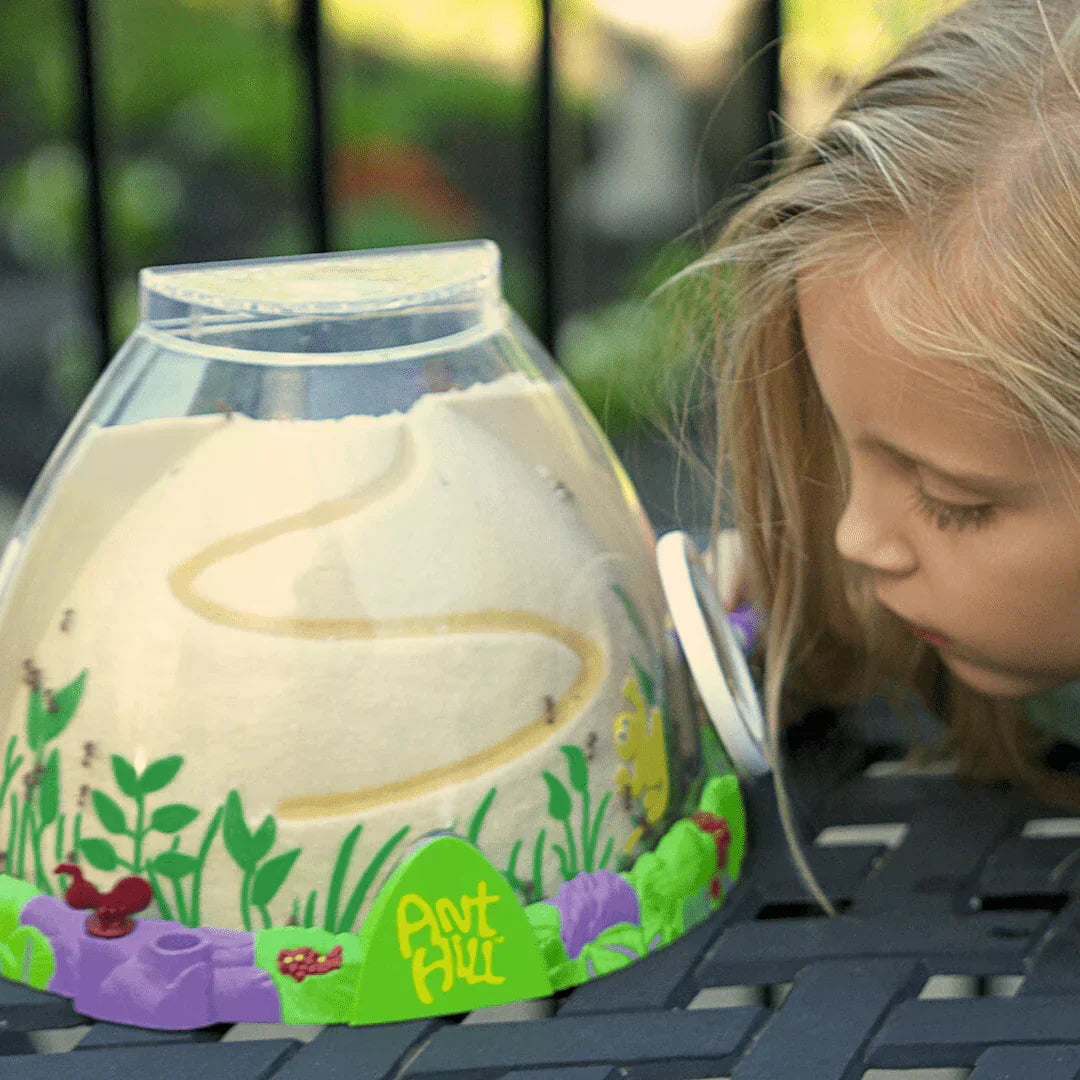
Ready to dig a little deeper into ant colony behavior? You won't want to miss the incredible opportunity to observe ant colonies with your very own eyes. Discover and explore the incredible world of ants with your own Ant Hill Habitat or Ants for your Ant Farm!
Related products



Ant Kit Safety and Care Guide for Teachers
Insect Lore Ant habitats turn a hidden world of abstract biology into fascinating daily observation, letting students witness colony behavior, cooperation, and lifecycle firsthand and in front of their very eyes.


Educational Benefits of Ant Kits for Kids and Classrooms
Dig a little deeper! Ant kits are powerful hands-on learning tools that bring science to life, allowing students to observe real insect behavior while exploring biology, ecology, and complex systems through direct, engaging experience.


How Do Ants Communicate? Understanding Ant Pheromones
Ant pheromones guide everything from foraging trails to alarm signals, allowing thousands of individuals to act as one coordinated superorganism. These chemical messages are precise, adaptable, and essential for survival. By decoding how ants communicate through pheromones, scientists are able to find remarkable insights into collective behavior, ecology, and even innovative solutions for human technology and complex systems.

Enter Your Voucher Code Below
Our insects are sensitive to outdoor temperatures. We recommend ordering when daytime temperatures are below 90 degrees.
We are unable to combine redemption fees. If you are redeeming 1-5 voucher codes, please complete separate purchases through our website for each voucher. If you are redeeming 6+ vouchers, please email us at customerservice@insectlore.com with your voucher codes and shipping address and we'll send you a custom invoice for payment.
$title
Thank you for Redeeming your voucher!
You redeemed a $title
Redemption Fee :$redemptionFee
$upsellList
$ctaLabel

Don't miss this special one Time Offer.
Check the Box to Add this Special Offer to your Cart
$upsellTitle
$upsellPrice
Don't miss this special one Time Offer.
Check the Box to Add this Special Offer to your Cart
$upsellTitle
SAVE $upsellSavePrice