
By Spencer McManamna December 11, 2025 4 min read

Implementing STEM Education into the Elementary Classroom

Starting STEM lessons in the elementary classroom is easier than you think! It all begins by ditching screens and keyboards and replacing them with hands-on, curiosity-driven learning that encourages students to ask questions, test ideas, and explore the world around them!

Observing the incredible metamorphosis of the butterfly life cycle is a project that combines the fascinating pursuits of science, engineering, and observation, as well as helping young learners connect abstract concepts to real-life events.

In this article, we'll help explain practical strategies for bringing STEM into daily instruction and will explore specific butterfly-metamorphosis activities that enrich your students’ scientific understanding! 

What is STEM Education?

To keep it simple, STEM stands for Science, Technology, Engineering and Math! STEM is an integrated approach to education and learning that emphasizes problem-solving, curiosity, and focused study. In early education, STEM is essential because it nurtures children's minds at a time when they have many questions about the world! STEM helps build foundational thinking skills, and aids children in understanding how the world works through hands-on exploration. 

STEM is incredibly important for any growing minds seeking to learn more about the incredible world around them! Introducing STEM concepts early supports cognitive intellectual development, encourages creativity and perseverance, and lays the groundwork for future learning across all areas of study (not just STEM)! Last but not least, it empowers young students to see themselves as capable researchers and budding professionals! 

Benefits of STEM Education 

  • Enhances Problem-Solving Skills: STEM encourages students to explore challenges, test ideas, and find creative solutions.

  • Helps Their Focus: Hands-on learning keeps students motivated and proactive, teaching them the tools they need for education later in life. 

  • Builds Confidence: STEM education teaches children to believe in their own problem-solving skills, and the quality of their own knowledge! 

  • Promotes Creativity and Innovation: Take a break from screens and strengthen one's mind through discovery, observation and experimentation! 

How to Implement STEM into Elementary Classrooms

Adding STEM to your elementary curriculum is easier than ever! Read on to discover how to ignite an appreciation of Science, Technology, Engineering and Math:

Build Confidence with Single Activities

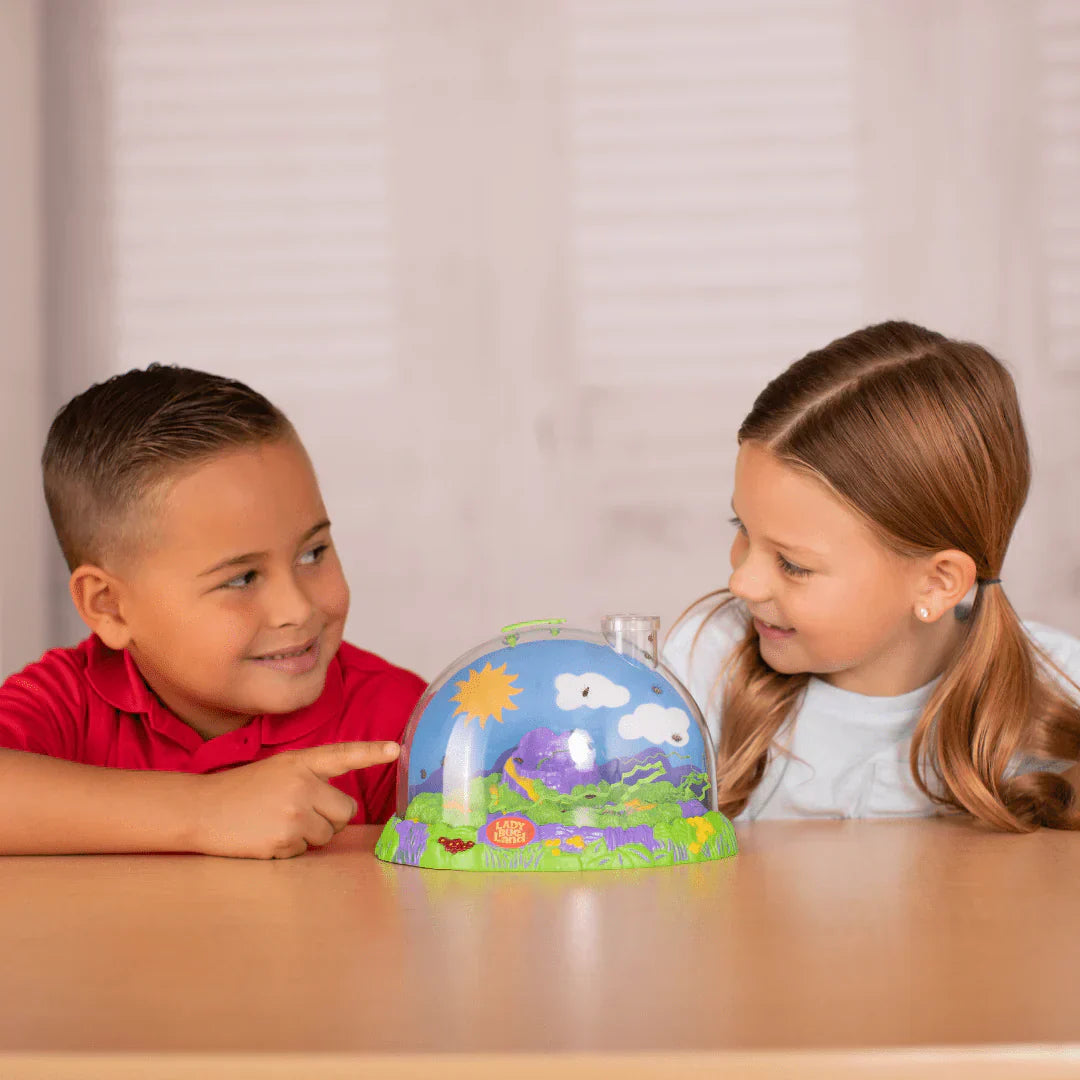
Daily observation of Insect Lore insects is the perfect exercise to help students build confidence. Even taking a close look at your tiny caterpillar or growing ladybug and recording observation is a powerful way to build STEM skills! The more these activities are repeated, the more confident and properly equipped they will feel for future lessons! 

Align STEM Activities with Current Curriculum

It's best to make sure your STEM lesson aligns with your current curriculum! Our Insect Lore kits are intended for an involved education on nature biology, life cycle metamorphosis, and insect behavior. It's the perfect accessory for any educator who wants to gift their classroom an incredible view at the often-hidden world of insects. 

Encourage Hands-On Learning

In a world of screens, whether they are phones, televisions, or computers, it's more important than ever to encourage hands-on learning and time outdoors. Insect Lore life cycle kits offer both opportunities! Insect metamorphosis provides young learnings with a compelling and exciting project with real life insect biology. 

Butterfly STEM Activities for the Elementary Classroom Curriculum

Insect Lore's Butterfly-Raising Kits are the perfect choice for any STEM lesson! Read on to discover how they fulfill every area of the STEM experience. 

Science

Butterfly metamorphosis provides limitless opportunities for scientific learning. This includes: 

  • Daily caterpillar observations to build confidence before tackling complex metamorphosis stages.

  • Comparing butterfly life cycles to existing animal studies in your current science curriculum.

  • Address the real-world challenge of butterfly decline and pollinator decline through hands-on habitat studies.

  • Use live butterfly kits for direct observation rather than dry textbook learning.

  • Document the stages of metamorphosis through student-maintained observation journals.

  • Apply scientific method by forming hypotheses about environmental factors affecting development.

  • Study ecosystem relationships by observing butterflies' roles as pollinators in school gardens.

Technology

Now it's time to tackle the technological side of STEM (sorry, there will be some screens after all)!

  • Conduct basic photography of daily caterpillar changes to develop observational skills. You can try to "Photoshop" the next stage of how you think your insects will look!

  • Focus on real-world problems by using weather apps and digital tools to monitor environmental conditions affecting butterfly survival.

  • Integrate hands-on digital experiences using microscope apps to examine wing scales and body structures up close.

  • Create your own time-lapse videos documenting complete metamorphosis transformation.

  • Use online databases to identify local butterfly species and track migration patterns.

Engineering

Save these engineering ideas for when your adult butterflies are finally out of their chrysalides! 

  • Connect to current math lessons by calculating measurements for butterfly garden designs.

  • Work with art teachers to incorporate design principles into engineering butterfly habitats.

  • Calculate hypothetical solutions for maintaining optimal temperature and humidity in metamorphosis environments.

  • Design and test butterfly feeding stations with appropriate landing space and room for individual insects! 

Mathematics

This might seem like a math-free project, but there are several ways to incorporate mathematics learning in your ongoing butterfly adventure! 

  • Conduct simple measuring activities using caterpillar length to build measurement skills. This doesn't have to be exact! 

  • Try making basic graphs growth data that reinforces existing graphing lessons.  Create line graphs showing development over time and bar graphs comparing species growth rates.

  • Calculate garden space requirements and plant quantities for butterfly conservation. How big is your ideal butterfly space? What native plants can be grown for them? 

  • Experience hands-on measurement activities tracking daily caterpillar size, length, and food consumption. How much webbing is appearing in their cups? 

  • Try to calculate wing surface areas and analyze geometric patterns in wing designs.

  • Use statistical analysis to determine survival rates and predict emergence timing based on temperature data.

Explore Insect-Related STEM Resources with Insect Lore

Now you are fully equipped for a successful STEM project! Insect Lore's Butterfly-Raising Kits provide endless opportunities for transformative learning and inspiring a love of education. We're here every step of the way to ensure you and your students have a terrific and fun biology project. 

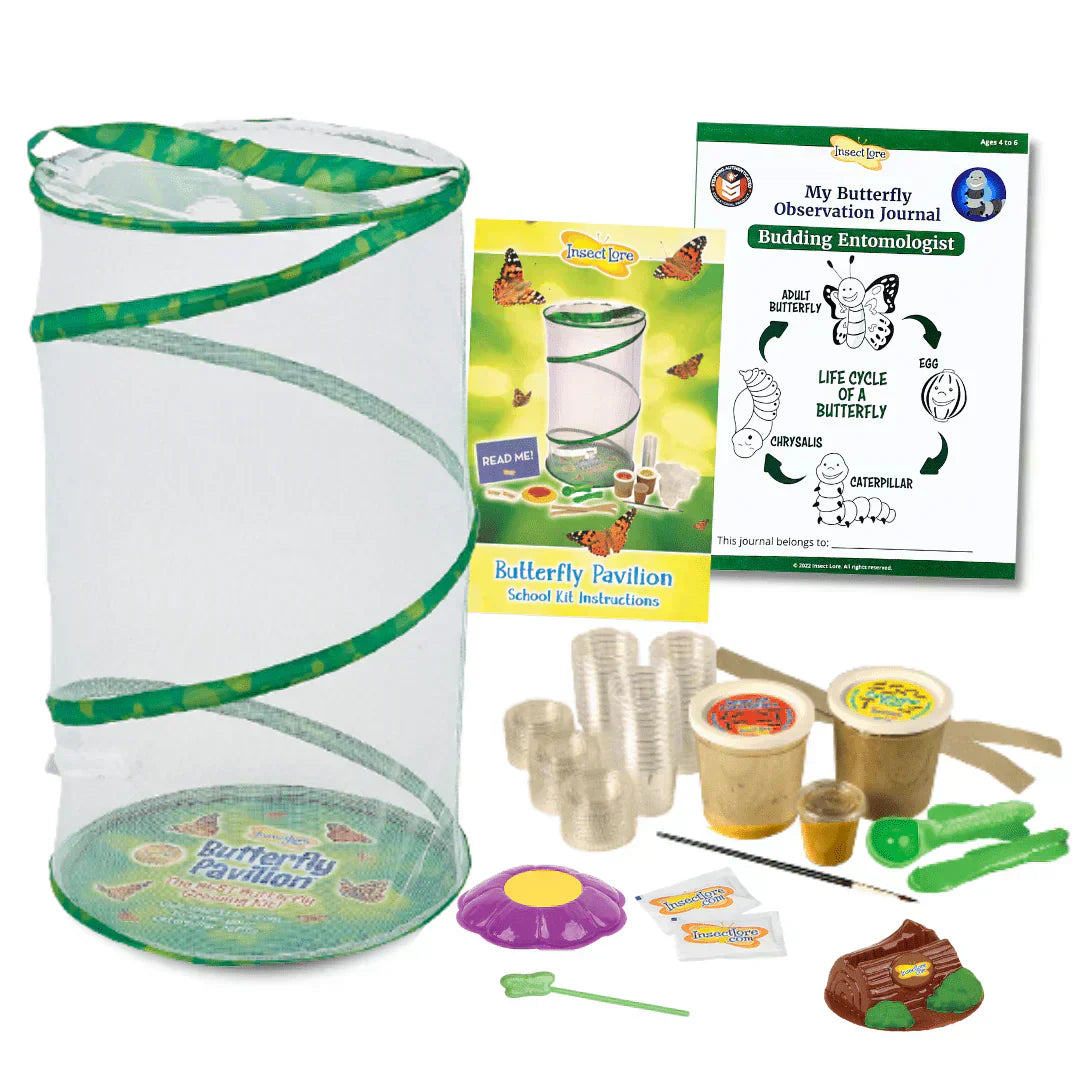
Visit our School Kits page to start your next project today, and check out our Activity Journals for the perfect project accessory! Once you're ready to start more STEM, there's no better place to Get Growing! 

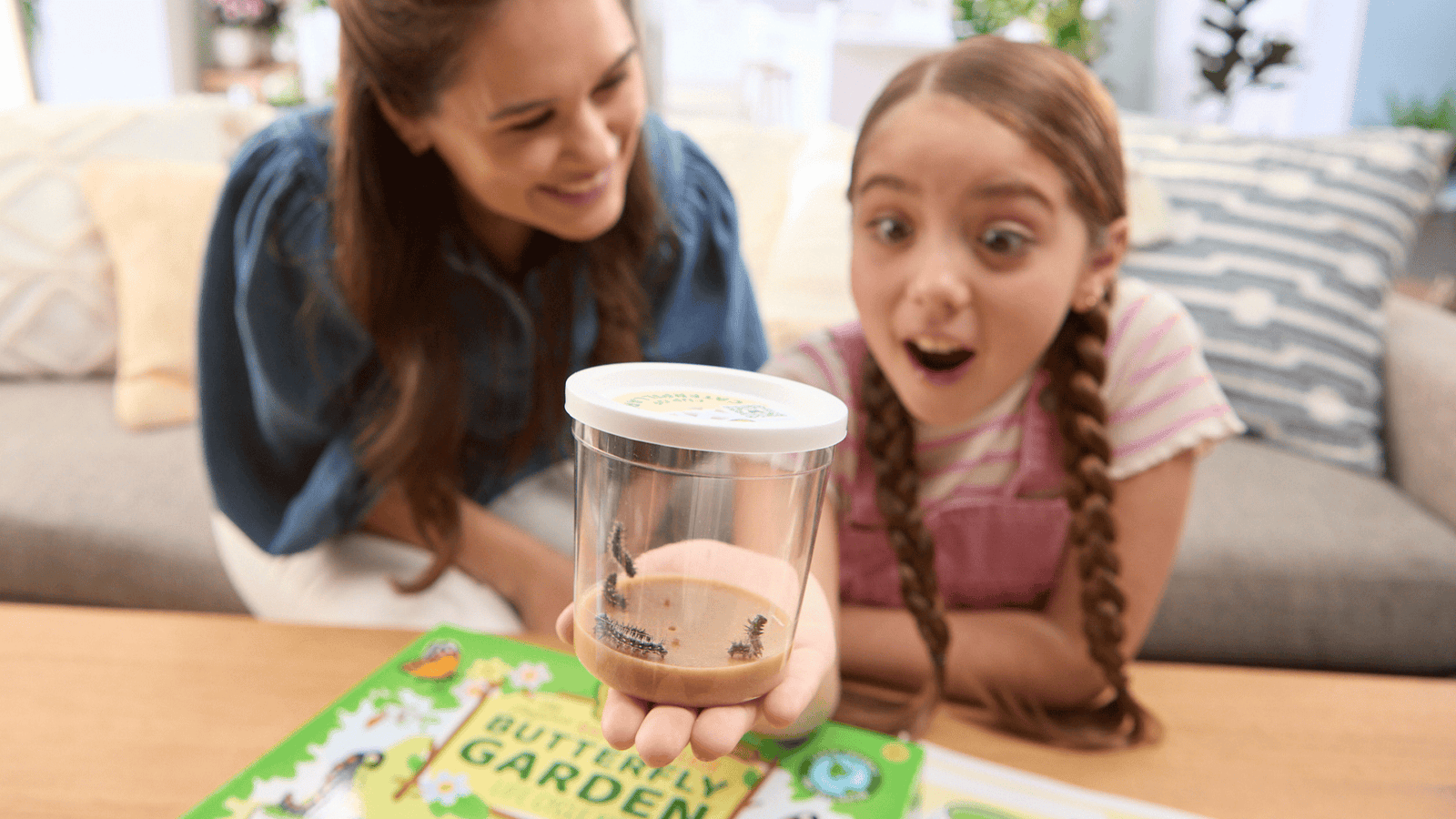
Mother smiling at young daughter with pigtails who smiles in amazement at her Insect Lore Butterfly Garden caterpillars.
Insect Habitat Activities and Projects for Preschoolers

February 09, 2026 5 min read

Looking for a flutter of fun and educational activities for growing preschool minds? Look no further! We've got the perfect lesson plans and projects to ignite your children's curiosity and love of learning! Whether it's creating a habitat for insects who need a home, observing their fascinating behavior, or just giving them a tasty drink, you have a kaleidoscope of ways to teach the insect life cycle! 

Read More
Tips for Growing Butterflies in the Classroom

December 10, 2025 8 min read

Ready to start your classroom's journey into the world of metamorphosis? Here's your guide to a fun and stress-free experience teaching your children about the incredible butterfly life cycle.

Read More
Tips for Raising Ladybugs in the Classroom

December 09, 2025 3 min read

Read More