
A storm is coming! "El Nino" is the term for a global climate phenomenon that emerges from variation in winds and sea surface temperatures over the tropical Pacific Ocean. The warming phase of the sea surface temperature is known as "El Niño" and the cooling phase as "La Niña"! A powerful El Niño is building in the Pacific this fall, with scientists forecasting one of the strongest events in decades. This climate pattern can reshape rainfall, temperatures, and seasonal weather, potentially altering the conditions butterflies and other animals depend on, including migration, breeding, and the amount of host plants and nectar-rich flowers. Read on to see how we can prepare!
It's a bird, it's a plane... it's a storm! A “super” El Niño is an informal term for an exceptionally strong weather event, typically involving ocean temperatures more than 2°C (3.6°F) above average. These rare events can dramatically shift rainfall and temperatures. The question is, when can we expect this storm to occur?
According to the National Oceanic and Atmospheric Administration, this year’s developing "Super El Niño" could become one of the strongest on record. Their October 2026 reporting indicates that El Niño is still getting stronger today, and the peak intensity is expected between November 2026 and January 2027.
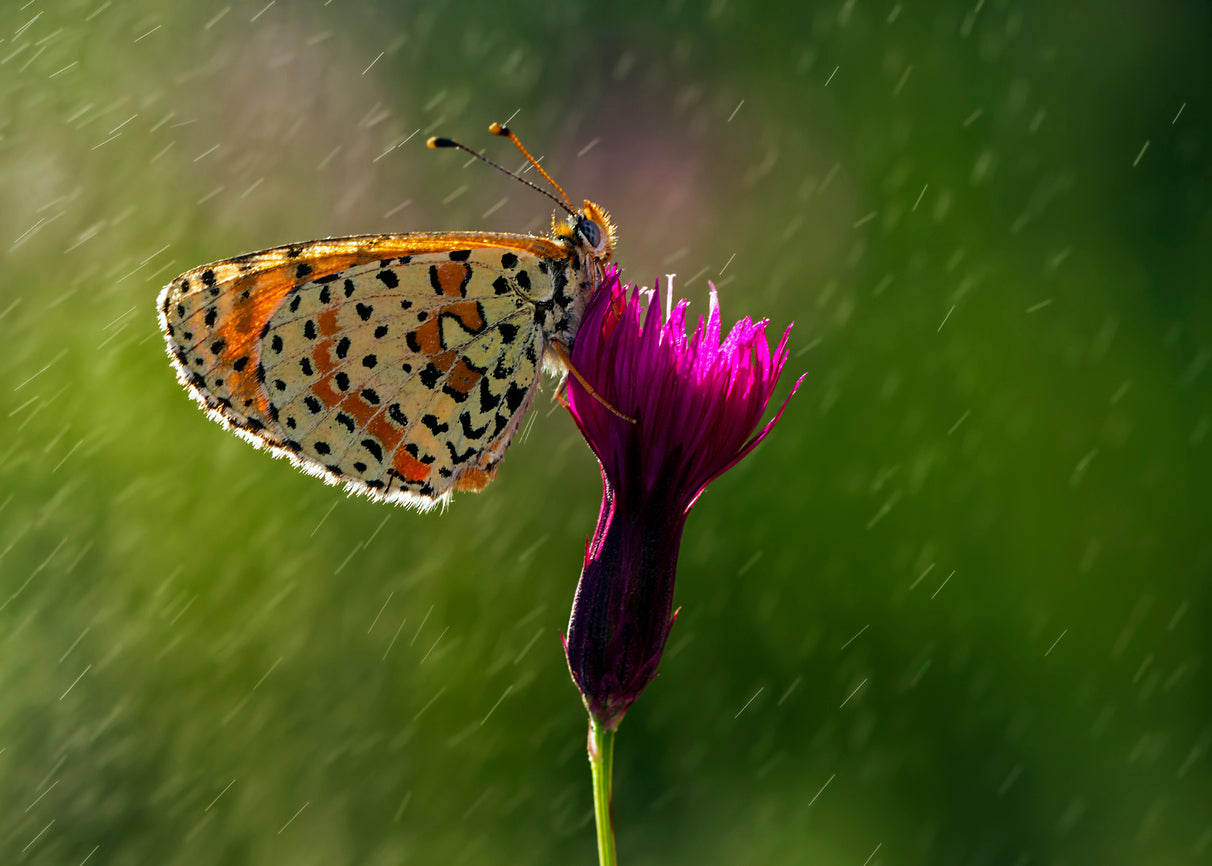
Butterflies are waterproof, and the countless microscopic hairs on their wings help keep the raindrops off without weighing them down in a storm! Despite this, they usually aren't able to fly in the rain. A super El Niño won't affect every butterfly species the same way, as changes in rainfall, temperature, and seasonal weather can create favorable conditions in some regions while disrupting habitats and food sources in others. Read on as we explore how these shifting climate patterns have diverse results with butterfly species around the globe.
For 16 years, researchers tracked migrating Statira Sulfur butterflies (Aphrissa statira) crossing the Panama Canal near Barro Colorado Island, while also monitoring the spread and amount of their nectar-rich host plants. Published in 2010, the study found larger migrations during El Niño years, when seasonal conditions encouraged host plants to produce more fresh leaves. These leafy growth spurts provided more food for caterpillars, driving a boom in fluttering butterfly populations and vividly demonstrating how climate patterns can alter the complex process of butterfly migrations.
Though adult butterflies beat the heat by using shade, dense vegetation, damp patches or mud puddles to escape peak heat and find vital moisture, other insects are not so lucky. Intense El Niño events can sometimes lead to declining tropical insect diversity. Extreme heat and drought can stress insects, reduce food supplies, and disrupt the plants they depend on.
So what does this mean for North American butterflies such as our own Painted Ladies? El Niño can bring wetter winters to the southern United States, encouraging desert wildflowers to bloom and flourish while providing Painted Lady caterpillars with abundant plant food. These warm, favorable conditions can contribute to butterfly population booms, fueling larger migrations and a kaleidoscope of color as adult butterflies move across the landscape. However, intense weather and stormy rain can break tree canopies and destroy other protective microclimates, especially for migrating Monarch butterflies.
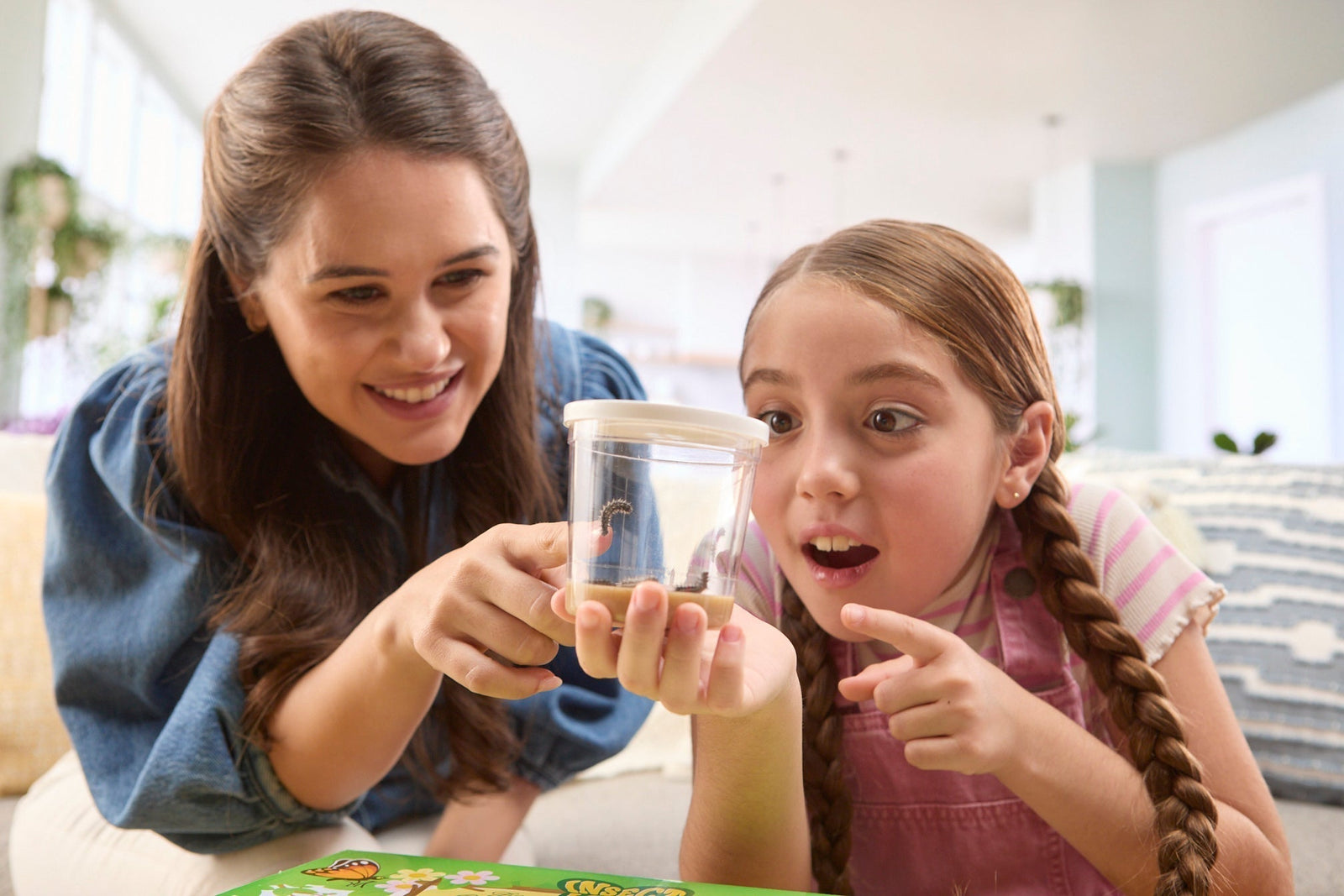
Keep an eye on the forecast! Temperature plays a vital role in the speed of a butterfly's development through each life cycle stage: egg, caterpillar, chrysalis, and finally winged adult. Warmer conditions generally speed up development, while cooler temperatures slow it down! By raising butterflies at home or in the classroom with Insect Lore's Butterfly Garden kits, kids can observe this incredible metamorphosis, record changes in an activity journal, and discover how nature's shifting environmental conditions have a profound influence over living things.
Become a weather detective! Children can start reporting and tracking rainfall, observing local wildflowers, and recording butterfly sightings throughout the changing season. These simple activities spark a larger interest as they connect changing winter conditions to butterfly behavior and migration.
Try these hands-on ways to explore the relationship between weather and butterflies, both at home or in the classroom:
Keep a daily weather journal that records temperature and rainfall through the El Niño winter.
Raise Painted Lady butterflies indoors with the Butterfly Garden and record how many days each life cycle stage takes.
Log spring butterfly sightings on iNaturalist and compare them with the weather journal.
Join (or create!) a community science count to see how local numbers change from year to year.
This upcoming El Nino has an 83% chance to be the strongest on record! That isn't a cause for alarm, however, and more of a call to action. El Niño teaches us that butterflies have an intimate relationship with the weather, closely connected to the patterns shaping their fragile habitats. Changes in rainfall and temperature can influence wildflower growth, caterpillar food supplies, breeding success, and migration timing. While some butterfly populations (like Painted Ladies) may benefit from wetter conditions, others face challenges from heat or extreme weather. Observing these connections helps children and students understand how climate influences wildlife, and why intrepid scientists continue studying butterflies to better predict environmental changes.
Become a scientist with yourself with Insect Lore's Butterfly Garden kits! Observe the incredible butterfly life cycle with a hands-on educational project that will engage, inspire and ignite a love of learning in growing minds. Visit our School Kit page to see how you can expand and strengthen your life cycle curriculum!


Caterpillars are fascinating critters that captivate both scientists and nature lovers with their unique behaviors and incredible transformations. This article explores some of the most fun and surprising facts about caterpillars, shedding light on their role in nature, their many adaptations, and the extraordinary processes they undergo as they prepare for their dramatic journey to adulthood!
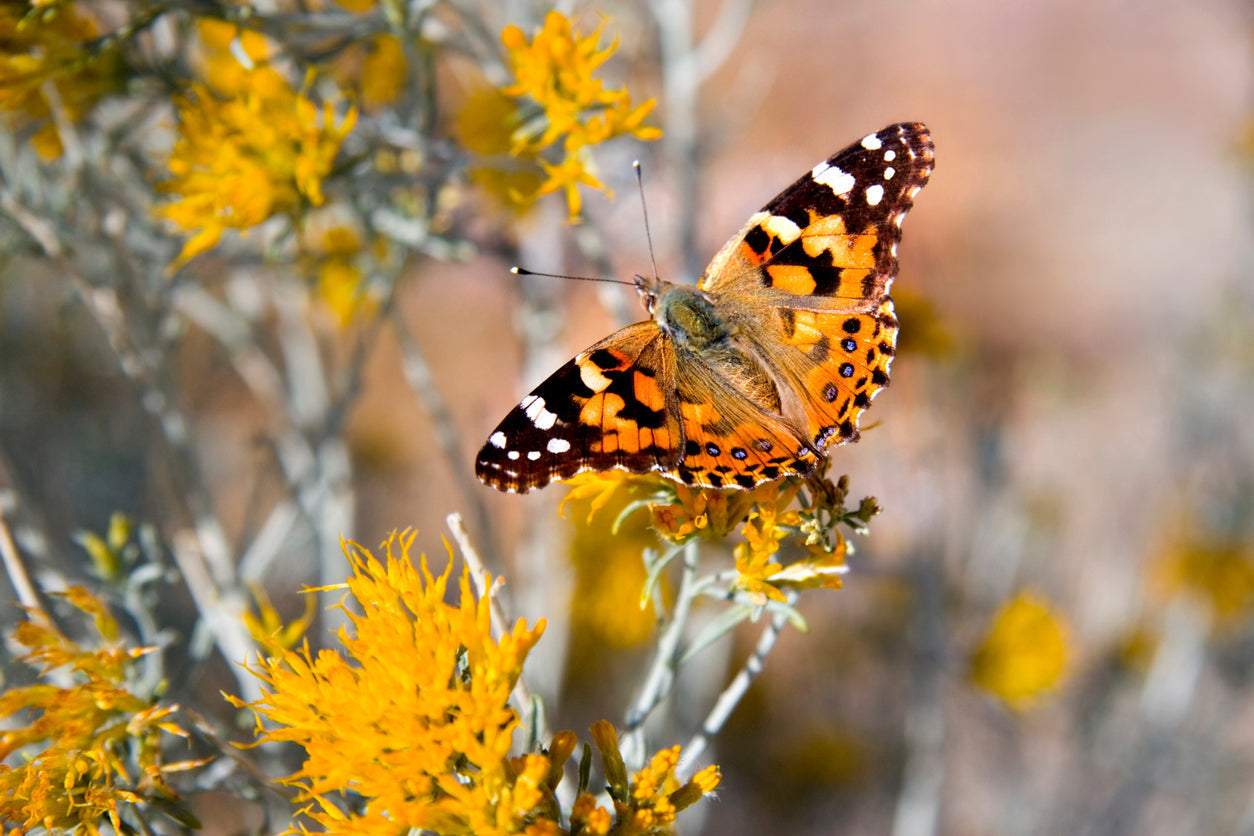

The Monarch Butterfly and the Painted Lady Butterfly are often mistaken for one another, due to their similar orange and black coloring. Read on to discover why the Painted Lady is the preferred choice for your butterfly-raising activities, and why Monarchs should stay wild!

Our insects are sensitive to outdoor temperatures. We recommend ordering when daytime temperatures are below 90 degrees.
We are unable to combine redemption fees. If you are redeeming 1-5 voucher codes, please complete separate purchases through our website for each voucher. If you are redeeming 6+ vouchers, please email us at customerservice@insectlore.com with your voucher codes and shipping address and we'll send you a custom invoice for payment.
You redeemed a $title

Check the Box to Add this Special Offer to your Cart
Check the Box to Add this Special Offer to your Cart