Your Cart is Empty
Add description, images, menus and links to your mega menu
A column with no settings can be used as a spacer
Link to your collections, sales and even external links
Add up to five columns
Add description, images, menus and links to your mega menu
A column with no settings can be used as a spacer
Link to your collections, sales and even external links
Add up to five columns

By Spencer McManamna October 19, 2026 9 min read
Caterpillars aren't just crawling little curiosities - they are fascinating critters that captivate both scientists and nature lovers with their unique behaviors and incredible transformations. As the larval stage of butterflies and moths, caterpillars exhibit a wide range of intriguing traits, from their diverse and memorable appearances to their remarkable metamorphosis into adult winged butterflies and moths.
Read on to explore some of the most fun and surprising facts about caterpillars, shedding light on their role in nature, their many adaptations, and the extraordinary processes they undergo as they prepare for their dramatic journey to adulthood! Be sure to check out our blog on Butterfly facts if you want to know some important facts about butterflies too!
Caterpillars undergo a remarkable growth process, increasing their weight by up to 10,000 times from the time they hatch until they are ready to pupate. This impressive weight gain is achieved through a series of molts, or ecdysis, during which the caterpillar sheds its old exoskeleton to accommodate its rapidly expanding body.
Typically, a caterpillar molts between 4 to 6 times, each time growing larger and more developed. This continuous process allows them to consume large amounts of food, store energy, and build the necessary resources for their dramatic transformation into a pupa, and eventually, a fully formed butterfly.
Caterpillars possess a complex musculature system that is essential for their movement and feeding. Their bodies are equipped with a sophisticated arrangement of muscles, including approximately 400 muscles in their head alone! These muscles are crucial for manipulating the mandibles and other mouthparts used to chew through vegetation.
For locomotion, caterpillars rely on a series of longitudinal and circular muscles arranged in segments along their body. Longitudinal muscles contract and relax to shorten and elongate the caterpillar's body, while circular muscles help control the movement of the segments. This combination allows caterpillars to perform their characteristic "inchworm" motion, where they switch between contracting and stretching their body to crawl forward in a wave-like motion that ripples from the back of the body to the front.

Caterpillars produce silk through specialized structures known as spinnerets, located on the head, just below the mouth. These spinnerets are connected to silk glands that secrete a liquid protein which hardens into silk threads as it is drawn out of the spinneret. While both moth and butterfly caterpillars produce silk, their use of it can vary!
Moth caterpillars often spin extensive silk cocoons for protection during their pupal stage, with silk serving as a strong, protective encasement that shields them from predators and environmental hazards. In contrast, butterfly caterpillars typically produce silk for creating smaller, less dense structures such as anchor threads to attach themselves to surfaces and a small silk pad that anchors the chrysalis in place. The silk serves many functional purposes, like creating a secure and safe attachment site, and providing protection from an unpredictable environment!
In addition to their vivid colors and spiny bristles, which serve as visual and physical deterrents against predators, caterpillars have developed another remarkable defense mechanism: the ability to consume toxic plants and incorporate these chemicals into their own bodies! You are what you eat!
Certain caterpillars, such as those of the monarch butterfly, feed on plants like milkweed that contain potent toxins which they then store in their tissues. These toxins can make the caterpillars distasteful or even toxic to potential predators, providing them with a chemical defense that complements their physical defenses. This strategy not only deters predators but also enhances their survival chances by leveraging the natural defenses of the plants they munch on!
As caterpillars prepare for their metamorphosis into butterflies or moths, they undergo a dramatic process where they essentially digest themselves! During this stage, the caterpillar's body breaks down into a nutrient-rich soup within the chrysalis or cocoon. This digestive process is facilitated by enzymes that dissolve much of the caterpillar’s tissues.
As this dissolution continues, specialized groups of cells called imaginal discs come into play, These imaginal discs, which form early in the caterpillar’s life and grow throughout the larval stage, act as rebuilding mechanisms during metamorphosis. They are responsible for regenerating and organizing the new structures of the adult insect, including wings, antennae, and reproductive organs. As the caterpillar's old tissues break down, the imaginal cells proliferate and differentiate, transforming the pupa into a fully developed butterfly or moth.
Yes, it's true! Some species of caterpillars exhibit fascinating adaptations for aquatic or semi-aquatic environments. For example, the caterpillars of certain moths, such as the waterlily leafcutter (Elophila), are adapted to live in or near water.
Some species of Hyposmocoma caterpillars in Hawaii can also live in and out of water. These aquatic caterpillars, also known as aquatic larvae, inhabit environments like ponds, marshes, or slow-moving streams, where they have evolved to thrive in these unique habitats. They often have specialized adaptations such as streamlined bodies, aquatic breathing structures, or the ability to cling to submerged vegetation.
Semi-aquatic caterpillars, such as those of certain moth species, can be found in marshy or wetland areas where they use their skills to navigate both terrestrial and underwater environments!
What's the story behind "Stemmata"? Caterpillars have six tiny eyes, known as stemmata, on each side of their head. Unlike human eyes, these miniscule simple structures cannot form detailed images or distinguish fine shapes. Instead, they detect light and shadow, helping caterpillars sense changes in their surroundings. Although their vision is limited, stemmata still provide incredibly useful visual information as caterpillars navigate leaves, search for food, and respond to their environment.
It may look like caterpillars have around a dozen legs (or more), but they only have about six "true" legs! But what sets a true leg apart from the false ones? Caterpillars have two types of legs that help them move: true legs and prolegs. The three pairs of true legs are located near the head and remain throughout the butterfly’s adult stage, even after metamorphosis! Prolegs are fleshy, temporary structures along the abdomen that help caterpillars grip leaves and crawl. Although they look similar, each type has a very different function. The table below explores these leg types and their unique characteristics. Let's learn the pros and cons of prolegs and true legs!
|
Feature |
True Legs |
Prolegs |
|
How many? |
Six, in three pairs |
Up to five pairs, depending on species |
|
Where they are |
Near the head, on the thorax |
Along the middle and rear of the abdomen |
|
Jointed |
Yes |
No |
|
How they grip |
A small claw at the tip |
Rings of tiny hooks called crochets |
|
After metamorphosis |
Become the adult’s legs |
Disappear |

Time to take a breather! Caterpillars breathe through tiny openings known as "spiracles", located along the sides of their body segments. These miniature openings connect to an internal network of tubes that carries oxygen directly to their tissues. Look closely at the sides of a caterpillar's body, and you may spot spiracles as a row of tiny dots! Grab a magnifying glass and see if you can spy any tiny spots or bumps along the Painted Lady butterfly's wriggly body!
As we stated before, caterpillars are eating machines and they are hungry the moment they first hatch! When a caterpillar first hatches from its egg, its first meal has a strong chance of being the very same eggshell it just emerged from! This tiny snack provides helpful and valuable nutrients before the caterpillar begins feeding on the host plant where its egg was first laid. Once the eggshell is eaten, the hungry hatchling moves on to munching tasty nutritious leaves, beginning a period of rapid growth that will fuel and prepare itself for the remarkable transformation into a butterfly.
Though most caterpillars (including our own Painted Lady caterpillars) exclusively feed on leaves and other plant materials, there are some that search for alternative sources of food! A small number have unusual diets that go beyond herbivory to include other food sources. Some species, such as the Harvester Caterpillar prey on aphids, while others like the Common Clothes Moth feed on wool or even feathers. These surprising exceptions show just how diverse hungry caterpillar diets can be, with different species finding a multitude of ways to munch!
Caterpillars may look like easy targets, but many have clever defenses to avoid becoming a predator’s next meal. In a world of constant threats and hazards, caterpillars need a handy expansive toolbox of strong defenses, camouflage, warning colors and more! Explore the many fascinating behaviors and surprising survival strategies these tiny critters use to stay alive and thrive!
Many caterpillars avoid predators by blending into their surroundings through a defense called camouflage. Some are green, allowing them to hide among leaves, while others resemble twigs or small branches when resting on plants. Certain species even look like bird droppings, making them seem unappetizing to hungry predators. These clever disguises help caterpillars stay hidden in plain sight, turning their appearance into a powerful survival tool.
You may see caterpillars with large, eye-like markings on their bodies, but these are not their real eyes! These patterns, called eyespots, can make a caterpillar appear much larger or resemble a scary animal like a snake. When threatened, certain species may rear up or change their posture to emphasize these markings, startling predators into thinking they face a more dangerous animal. This clever visual trick can give a vulnerable little caterpillar precious time to escape!
When camouflage isn’t enough, some caterpillars use active defenses to startle and discourage predators. Certain species release strong-smelling chemicals, while others curl into a tight shape or suddenly drop from a leaf when disturbed, making them harder to catch. These quick reactions show how caterpillars combine different survival strategies to improve their chances of escaping danger and thrive in a world filled with threats.
Raising live Painted Lady caterpillars gives families and classrooms alike a front-row seat to fascinating insect behaviors! With careful observation, kids can discover how caterpillars eat, move, grow, and respond to their changing environment as they transform themselves. Keep your eyes peeled for these everyday activities during your butterfly-raising experience, and encourage young scientists to record their observations along the way!
Caterpillars shed their skin as they grow, and you can spot the tiny old skins left behind.
Caterpillars leave thin threads of silk behind them as they crawl. They spin this silk to create a small shelter for themselves, as well as to affix their bodies to surfaces like leaves to avoid falling off!
A caterpillar stops eating and becomes very still shortly before it forms a chrysalis. At this point it has eaten up and stored enough food energy that it's ready to begin its transformation!
Right before forming a chrysalis, a caterpillar hangs upside down in the shape of the letter J. It will then shed its skin one final time, revealing the chrysalis beneath!
Now that we've learned about the fascinating and surprising lives of caterpillars, it's time to witness their incredible metamorphosis journey in real life! Reading about these curious creatures, from their tiny stemmata and specialized legs to their clever defenses and remarkable growth, is just the beginning: Insect Lore’s live caterpillar kits give families and classrooms the invaluable opportunity to observe and discover the magic of metamorphosis firsthand, from watching caterpillars shed their skins to witnessing their iconic J-shape and transformation into a chrysalis. It's an unmissable experience, and hands-on science that brings the butterfly life cycle to life!
For most caterpillars, their larval (caterpillar) stage lasts between 10-14 days, with the exact time varying by location and temperature. Colder temperatures can make the transformation last longer ,while hot temps speed it up! The Painted Lady normally spends around 10 days as a caterpillar before forming its chrysalis. There are some outliers, such as the Fox moth caterpillars that spend months of winter as a fuzzy larva before becoming an adult butterfly in the spring!
While some caterpillars with hair, spines, or bright colors can deliver a painful reaction, the vast majority of fuzzy caterpillars are completely harmless! For example, our Painted Lady caterpillars are fuzzy fellows, but their little hairs do not irritate or sting. You should take care not to handle any caterpillars you see, both in our kits and in the wild, as our fingers can carry harmful oils or salts that can adversely affect the growing caterpillar!
Not all caterpillars turn into butterflies, as many of them become moths! However, all caterpillars are destined to metamorphose and transform into either an adult butterfly or an adult moth. Their life of eating, storing energy and growing is deep in their DNA and they are meant to transform, get their wings and take to the skies.
When it comes to their living situation, caterpillars love to stay close to a food source! Caterpillars will most often live on the surface of the food they are consuming, most often leaves or other plant materials. They are most often found on healthy plants within backyards, open fields, meadows, gardens, vegetable patches, and wooded areas. They will also take shelter beneath leaf litter or underneath tree bark!

August 10, 2026 4 min read
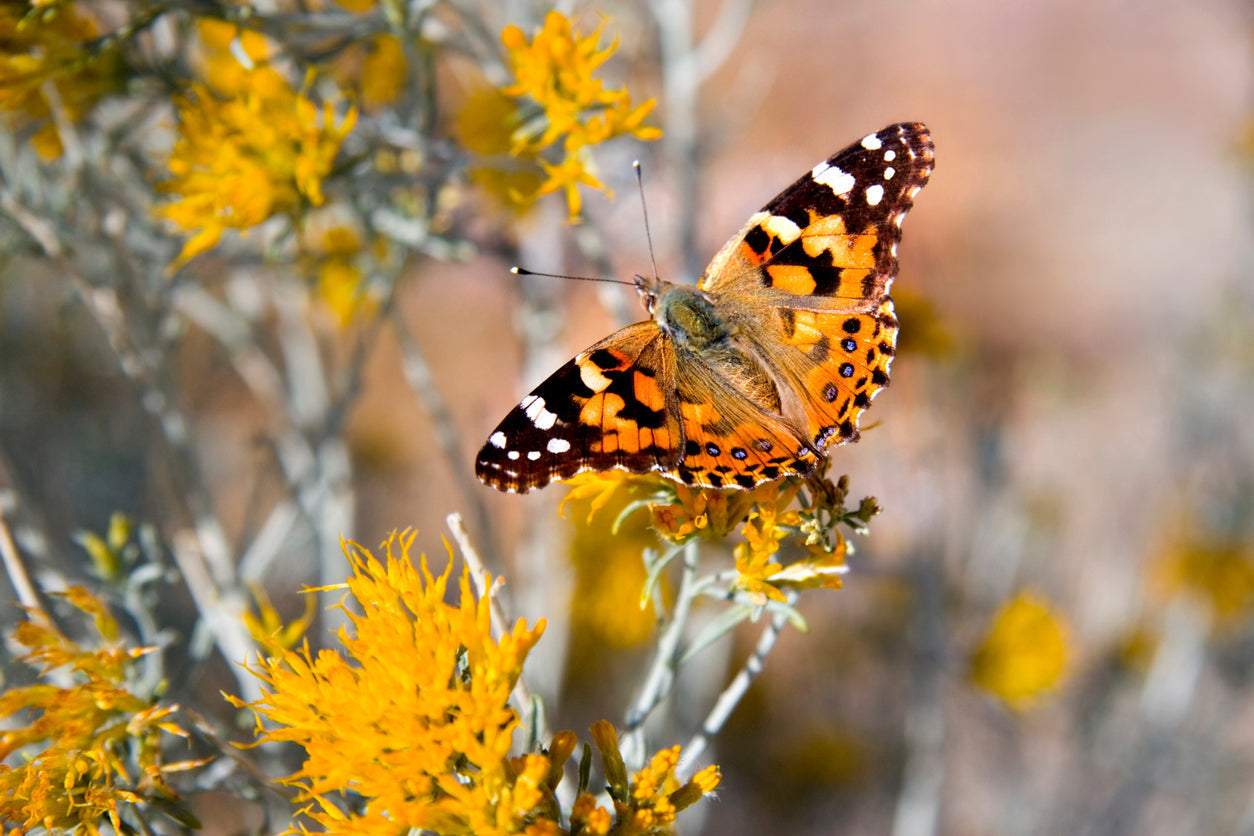
The Monarch Butterfly and the Painted Lady Butterfly are often mistaken for one another, due to their similar orange and black coloring. Read on to discover why the Painted Lady is the preferred choice for your butterfly-raising activities, and why Monarchs should stay wild!
July 27, 2026 3 min read
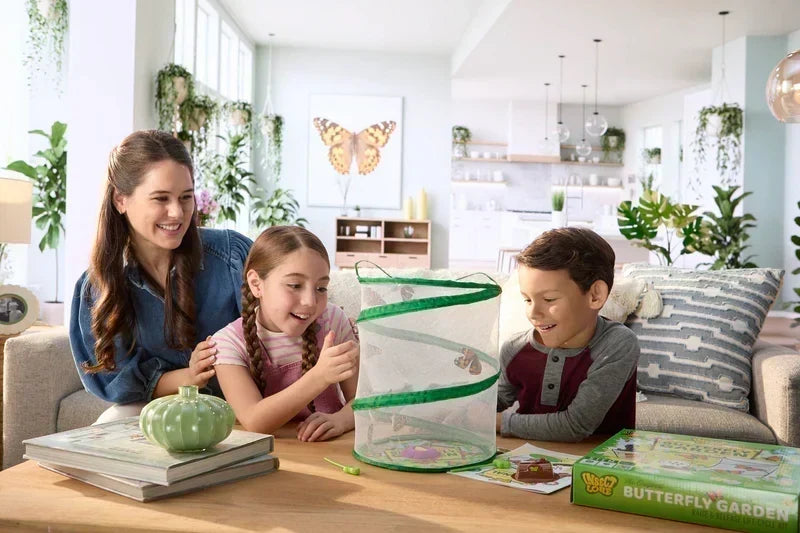
Can't decide which Butterfly Garden habitat is the right choice for you? No problem! We've got the perfect guide to help you find the perfect experience for your life cycle adventure.
We are unable to combine redemption fees. If you are redeeming 1-5 voucher codes, please complete separate purchases through our website for each voucher. If you are redeeming 6+ vouchers, please email us at customerservice@insectlore.com with your voucher codes and shipping address and we'll send you a custom invoice for payment.
Our insects are sensitive to outdoor temperatures. We recommend ordering when daytime temperatures are below 90 degrees.
We are unable to combine redemption fees. If you are redeeming 1-5 voucher codes, please complete separate purchases through our website for each voucher. If you are redeeming 6+ vouchers, please email us at customerservice@insectlore.com with your voucher codes and shipping address and we'll send you a custom invoice for payment.
You redeemed a $title
Check the Box to Add this Special Offer to your Cart

It looks like you are an Insect Lore UK/EU customer! You are visiting the Insect Lore USA website.
Click Insect Lore UK/EU website to be redirected to insectlore.co.uk.