Are insects disappearing? The populations of our insect friends are declining in many parts of the world, threatening the many interconnected ecosystems that depend on them. There are several major factors that account for this change, including habitat loss, pesticide use, climate change, and artificial light pollution. While these challenges can seem overwhelming, there's still plenty we can do to help! This article shows parents and teachers how to explain insect population decline to kids and shares simple, hands on ways both families and schools can help to protect insects.
It's no secret that insect populations are threatened worldwide, as long-term scientific research reveals a striking decline. In the most extreme cases, some studies have documented losses exceeding 75% in some insect communities over several decades. Although declines vary by region and species, these findings show how important it is to protect biodiversity, pollination, and the health of environments and ecosystems that depend on insects.
Studies by scientists and researchers worldwide illustrate the surprising scale of insect decline. A 2017 study found that flying insect biomass in German nature reserves dropped by 76% over 27 years. A 2020 study reinforced these concerns, discovering that the abundance of terrestrial insects declined by approximately 9% per decade. With these findings in mind, it's clear that we as a society need to think harder about the future of biodiversity and ecosystem health.
Scientists track insect populations using many research methods, including "trap" surveys that count insects over time, museum collections that reveal historical changes, and community science projects that gather observations from volunteers. You can be a volunteer for tracking our insect friends as well! It's as simple as observing and recording data. By comparing data collected over a significant time period, researchers can identify bug population trends. Whether at the classroom or at home, children can contribute valuable data by recording insect sightings, taking photos (or even illustrations!) of the many different species, and participating in community science programs.
Depending on where you grew up, you might remember when the car windshields used to be covered in bugs after a long drive. Many adults remember seeing far more insects on their cars when they were young than they do today. Scientists call this the "windshield phenomenon"! While these memories suggest that insect populations may be shrinking, it's not definitive proof. Changes in driving habits, vehicle designs (including sleeker cars), and weather have also affected how many bugs hit windshields.
While these reports of insect decline can be disturbing, it's important to remember that there's still time to help! After all, decline doesn't mean extinction. Population decline means that fewer insects of a particular species are living in an area, even though that species still exists. Extinction is the worst-case scenario that happens when every member of a species has disappeared forever. While declining populations don't always lead to extinction, continued losses can put insect species at greater risk of disappearing entirely. That's why we need together to create a healthier world for them to thrive in!
Reflecting the complexity of the natural world, researchers have identified hundreds of interconnected factors that are fueling this insect decline, rather than one single source. Here are the five most widely cited reasons behind shrinking bug numbers, and what we can do to help them grow again!
The most obvious reason for insect decline is the simple fact that they are losing their homes! When natural land is cleared for farms, homes, roads, and other human industries, insects lose the plants they need for food, shelter and reproduction. When a field of wildflowers is cleared to make way for a lawn, butterflies will have to flutter somewhere else for their nectar!
Insecticides and herbicides harm and threaten insect populations, even when the insect in question isn't the intended target. Insecticides can contaminate pollen, nectar, soil, and water, which in turn exposes bees, butterflies, and other beneficial insects to harmful chemicals. Herbicides, or weed killers, also remove important food sources. As an example spraying weed killer in the yard may eliminate weeds, but also the flowers that bees rely on for nectar and pollen!
The uncertainty of climate change is also making life harder for insects by altering temperatures, rainfall patterns, and seasonal cycles faster than many species can adapt. Warmer weather may cause butterflies and bees to emerge before their favorite flowers bloom, creating a bigger struggle for them to find tasty food. Unpredictable rainfall, droughts, and extreme temperatures can also disrupt the normal timing of insect life cycles.
Modern LED lights are much more energy efficient than old street lights, but they're also much brighter - something that can cause more difficulty for our insect friends. Artificial lights at night confuse insects that depend on darkness to find food, reproduce, and navigate properly. As an example, think of a group of moths circling a porch light rather than visiting flowers or searching for partners. Streetlights and other nighttime lighting can disrupt natural behaviors, waste insects' energy, and increase their exposure to predators, making survival and reproduction more difficult.
As the modern world becomes increasingly interconnected, the risk of invasive species becomes more and more visible. Invasive species are plants or animals introduced to areas where they don't naturally belong. Some compete with native insects for food and shelter, while others destroy the plants that insects need to survive. For example, the emerald ash borer is an invasive beetle that has killed millions of ash trees across North America. This threatens native insects that depend on ash trees for food, shelter, and reproduction. Another invasive species in the USA is the Spotted Lanternfly, who sucks the sap from trees and causes damage to vineyards, orchards and plant nurseries.
If you're reading through this blog, we know how much you already care about our insect friends and the natural world. But it's important to reiterate just how and why they matter so much to us! Despite their tiny size, insects play an enormous role in keeping our planet healthy. From growing the food we eat to supporting wildlife and maintaining healthy soil, insects are essential to ecosystems and food systems worldwide. Their importance becomes clear through four key roles: pollination, decomposition, pest control, and supporting intricate and complex food webs.
Insects like bees and butterflies help plants reproduce by carrying pollen from flower to flower. According to the USDA, approximately 75% of flowering plants and 35% of the world's food crops depend on animal pollinators. That means pollinators help produce countless types of the foods kids love, including apples, strawberries, and even chocolate! Without these hardworking helpers, many favorite foods could become harder to grow, along with staples of our lives such as coffee.
One of the most important and valuable roles insects play is their spot in Nature's complex and dense food web. Other animals, whether they are birds, amphibians, reptiles or fish, depend on insects as a primary food source. As an example, backyard songbirds often feed protein-rich caterpillars to their hungry chicks, helping them grow strong and healthy. Even mosquitos, one of Nature's least loved insects, are a vital food source for massive amounts of fish, birds, amphibians and more.
Insect's aren't just helpful pollinators, or vital aspects of the food web. They're nature's cleanup crew! Insects help break down dead plants, animals, and waste into nutrients that enrich the soil and make it fertile ground for growing. Beetles, flies, and ants all contribute to this important recycling process. Beetles living in a fallen log help break down decaying wood, while flies and ants feed on decomposing organic matter. Without these hardworking cleaners and recyclers, waste would accumulate, and plants would have fewer nutrients to grow strong.
Insects also play an important role in keeping destructive pests in check, and acting as protectors for plants, trees and gardens! Predatory insects help keep gardens and farms healthy by eating pests that damage plants and crops. You're probably aware of how ladybugs feast on perky aphids, tiny insects that suck juices from leaves and stems and cause untold damage to plants. Praying mantises, lacewings, and ground beetles also hunt garden pests such as mites, helping maintain a natural balance within the ecosystem. By controlling pest populations, these beneficial insects protect plants and even reduce the need for chemical pesticides.
Want to help our insect friends who are so vital to our lives? Take a look at this fascinating chart to see what small steps you can take to have a BIG impact on local insect populations! It can be as simple as leaving leaves on the ground, shutting off some lights, or even just observing and recording our beautiful world.
|
Driver |
How It Harms Insects |
How Families and Classrooms Can Help |
|
Habitat loss |
Removes the plants, soil, and shelter insects need to feed and breed |
Plant native flowers and host plants, and leave leaf litter or an unmowed patch in the yard or schoolyard |
|
Pesticides |
Poisons non-target insects and contaminates pollen, nectar, soil, and water |
Skip insecticides and weed killers at home and school, and pull weeds by hand |
|
Climate change |
Shifts temperatures and seasons faster than many insects can adapt |
Record first sightings of butterflies, bees, and fireflies each season and share them with a community science project |
|
Light pollution |
Disorients nocturnal insects like moths and fireflies |
Turn off outdoor lights at night or switch to warm, motion-activated bulbs |
|
Invasive species |
Outcompetes native insects and kills the plants they depend on |
Choose native plants over non-native ornamentals and learn to spot local invasive species |
When discussing the decline of bug populations with young children, it's important for parents and teachers to keep the conversation age-appropriate, positive, and focused on solutions. After all, there's so many different ways to help our insect friends, even on the local scale! Younger children can learn why insects are important through simple observations, stories, and hands-on activities. Older kids can explore the science behind declining populations, along with real world factors like pollution and habitat loss, and discuss strategies to help. As in all educational pursuits, it's more important to encourage curiosity rather than fear! You can empower children with small actions like planting pollinator-friendly flowers, building and protecting insect habitats, and observing bugs in their own backyard.
When it comes to helping insects and the environment, the sky is the limit! Flutter through this bulleted list for a kaleidoscope of fun activities to help children learn more about the health and wealth of our natural world.
Run a schoolyard or backyard insect count each season and compare results over time.
Hang a white sheet under a porch light at night to observe which nocturnal insects visit, such as moths, katydids and beetles.
Keep an insect observation journal with drawings, dates, and weather notes.
Raise and observe an insect life cycle, from caterpillar to butterfly or larva to ladybug, or witness a thriving ant colony!
Upload insect sightings to a community science platform such as iNaturalist.
Insect decline is a very real problem in the world today, but the solutions and strategies to fight it are just as genuine - and some are available right here at Insect Lore! All of Insect Lore's insects, whether they are Painted Lady butterflies, Pink-Spotted Ladybugs, or Harvester Ants are native to North America and can be safely released throughout the USA! That's why we're the perfect choice for any aspiring entomologist who wants to introduce some powerful pollinators into their local neighborhood!
Insect Lore's Butterfly, Ladybug and Ant kits offer the ultimate hands-on, and age-appropriate life cycle lesson for growing minds, perfect for teaching mindfulness and inspiring a lifelong interest in nature and learning. They're the perfect STEM projects for both families and classrooms to observe insects up close and practice caring for them. With Insect Lore, you aren't just helping our pollinator pals, or learning more about the world: you're making joyful memories to last a lifetime.
Yes, scientific research suggests there were generally more insects 20 years ago than there are today. According to the USGS, many insect populations have declined significantly since 2006, although the extent of this decline varies by species and location. Scientists have documented substantial losses among butterflies, bees, beetles, and other insects. It is estimated that butterfly populations in the United States dropped 22% from 2000 to 2020.
The world would technically survive without insects, but life as we know it would change dramatically. Without insect pollinators, many plants and food crops would struggle to survive. Their absence would cause a profound hole in the natural food web, and birds and many other animals would lose essential food sources. Natural processes such as decomposition and nutrient recycling would slow, spreading pollution, waste and disease. Entire ecosystems could collapse, threatening global biodiversity and food supplies. So in a sense, the world as we know it would not survive without our insect allies.
Not all bees are going extinct, but many wild bee species are experiencing large population declines. As outlined above, the ongoing process of habitat loss, pesticides, climate change, and disease threaten their survival. While managed, semi-domesticated honeybees remain widespread, some native bee species may face a growing risk of extinction.
Wild bees, butterflies, moths, and freshwater insects such as dragonflies are among the insects facing significant population risks. Species with specialized habitats or limited geographic ranges are the most vulnerable. Habitat destruction, pesticides, pollution, and climate change threaten their survival, making conservation efforts more vital as time goes on!
Releasing Painted Lady butterflies into the wild is a great way to aid your local butterfly populations and the surrounding ecosystem! As they make their home all throughout the different biomes of North America and can be safely released throughout the United States, the Painted Lady is the perfect species for home growing and releasing. Your Painted Lady butterflies will spread their wings, flutter and explore the world around them, landing on flowers to drink tasty nectar, collecting pollen, and even laying their caterpillar eggs close by - creating an all new generation of caterpillars to butterflies, right in your very own neighborhood!
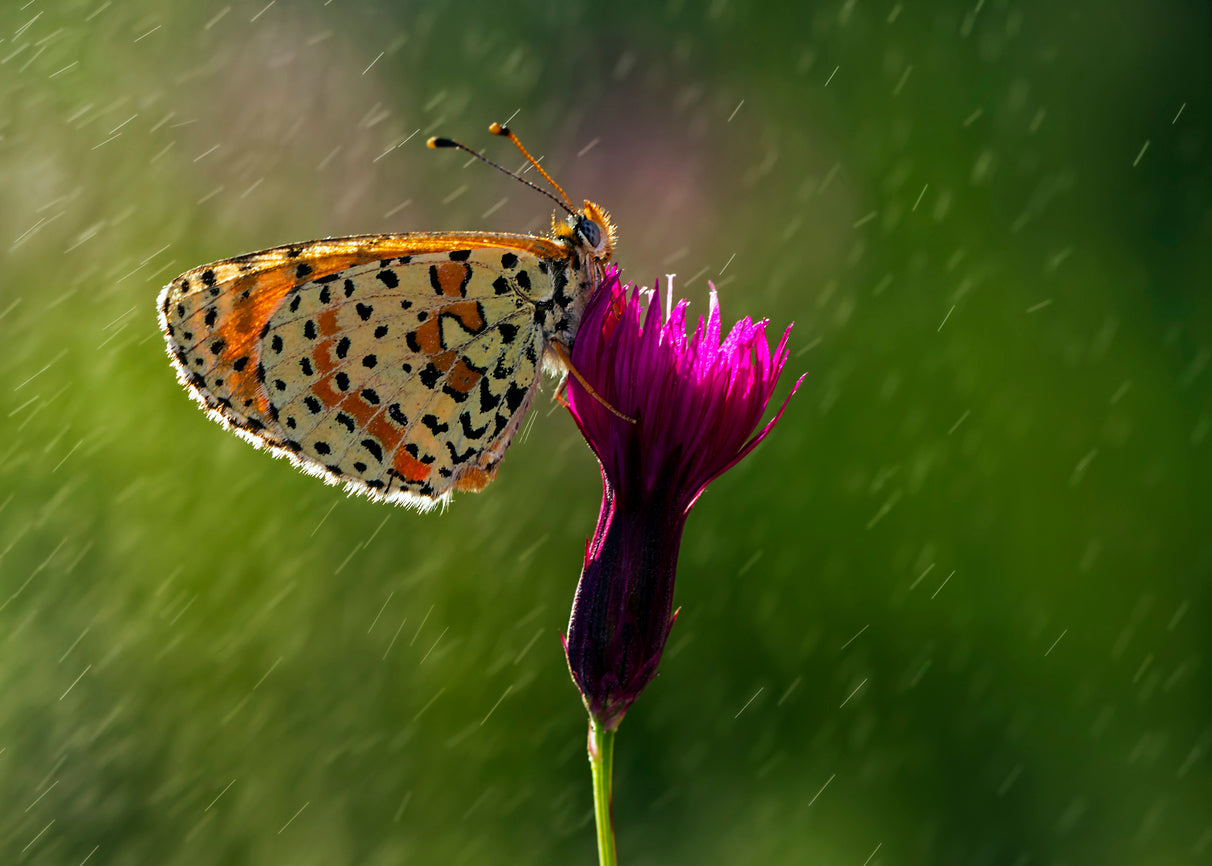

A powerful El Niño is building in the Pacific this fall, with scientists forecasting one of the strongest events in decades. This climate pattern can reshape rainfall, temperatures, and seasonal weather, potentially altering the conditions butterflies and other animals depend on, including migration, breeding, and the amount of host plants and nectar-rich flowers. Read on to see how we can prepare!
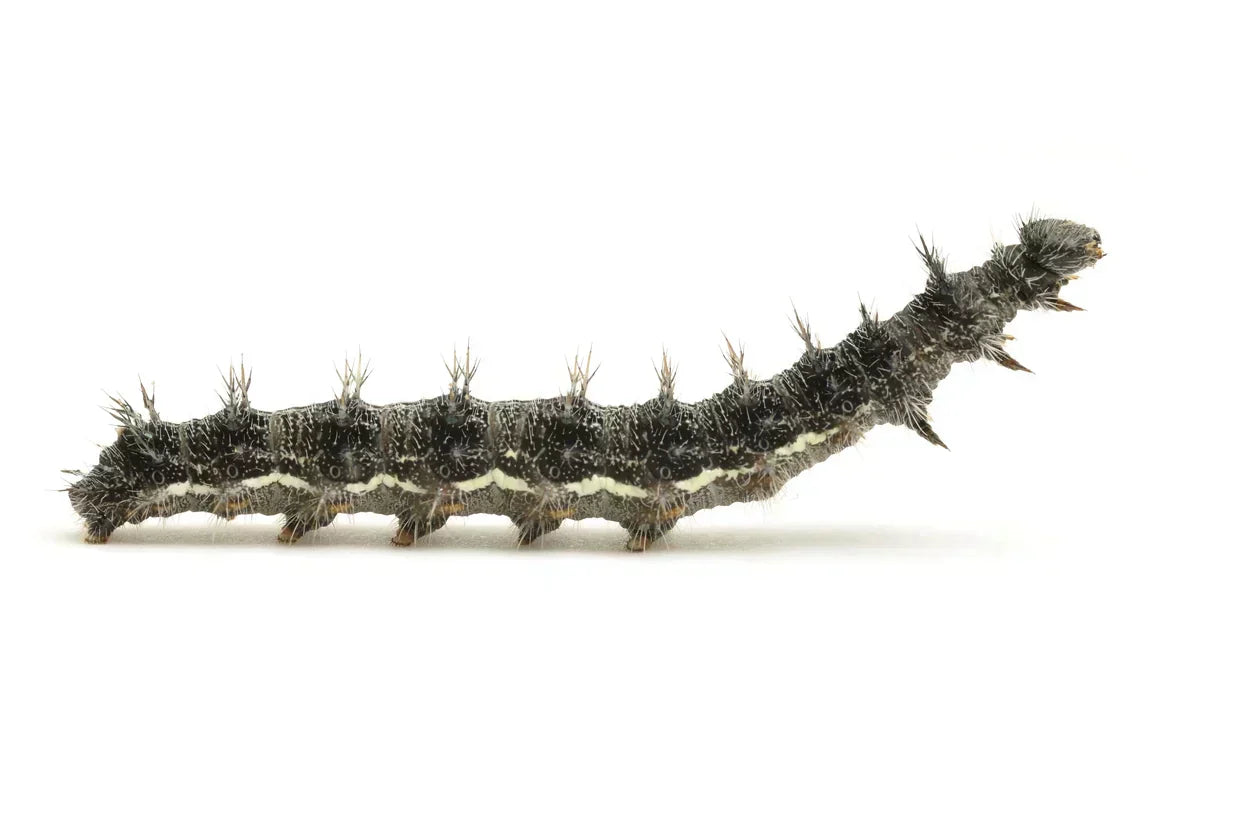

Caterpillars are fascinating critters that captivate both scientists and nature lovers with their unique behaviors and incredible transformations. This article explores some of the most fun and surprising facts about caterpillars, shedding light on their role in nature, their many adaptations, and the extraordinary processes they undergo as they prepare for their dramatic journey to adulthood!
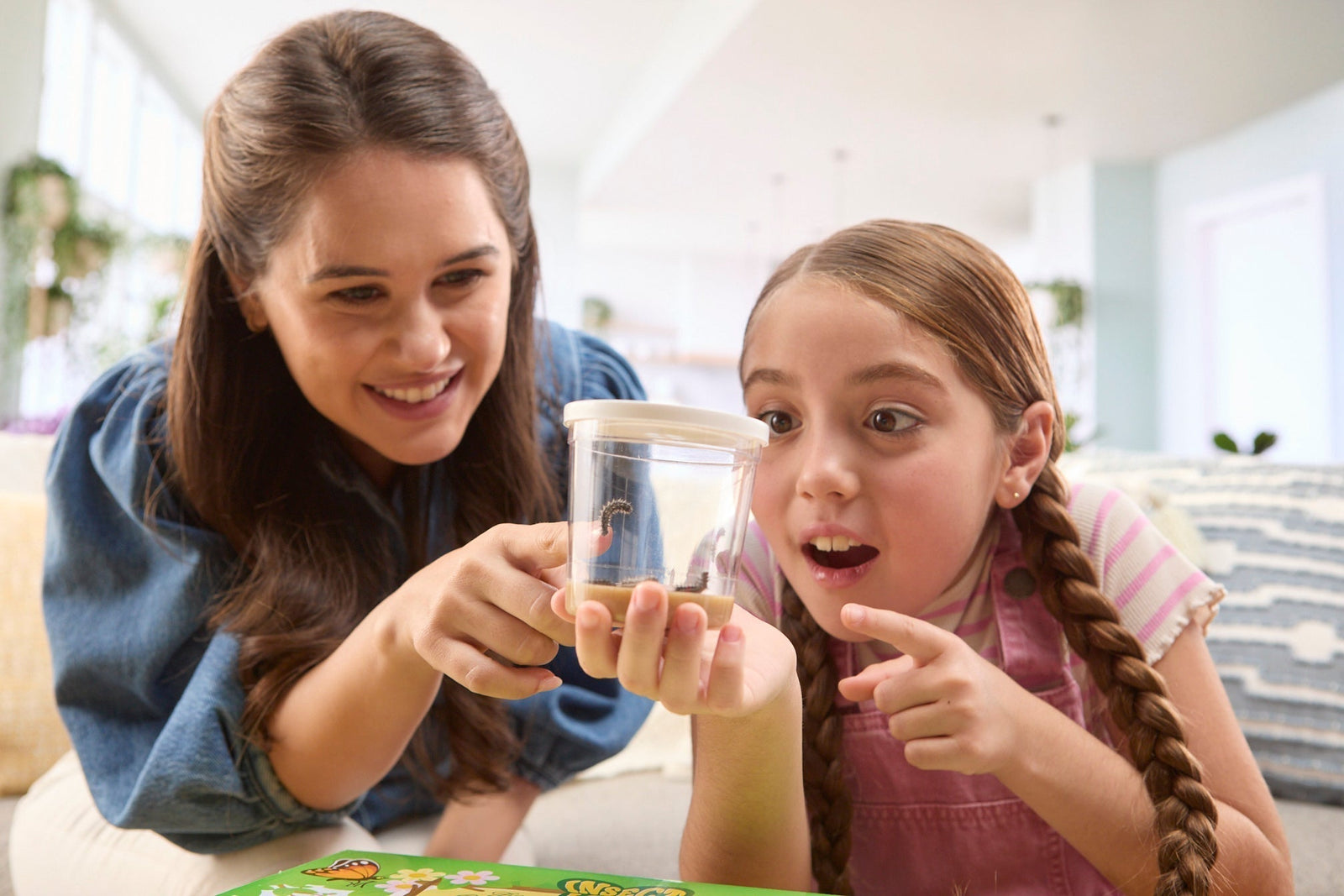

The Butterfly Garden Gift set is the best educational gift for kids. This all in one kit is not just a present, but an experience kids will remember for a lifetime. Click here to learn more!

Our insects are sensitive to outdoor temperatures. We recommend ordering when daytime temperatures are below 90 degrees.
We are unable to combine redemption fees. If you are redeeming 1-5 voucher codes, please complete separate purchases through our website for each voucher. If you are redeeming 6+ vouchers, please email us at customerservice@insectlore.com with your voucher codes and shipping address and we'll send you a custom invoice for payment.
You redeemed a $title

Check the Box to Add this Special Offer to your Cart
Check the Box to Add this Special Offer to your Cart