
Summer is going to get here faster than you think! This seasonal break offers the perfect opportunity for children to explore the wonders of the insect world. Observing bugs up-close helps children build a sense of curiosity, patience, and respect for nature while strengthening scientific thinking. It's the ultimate way to turn your backyard or local park into a living classroom!
Insect exploration also sparks imaginative play and physical activity. Flutter along with us as we explore some practical ways parents and educators can create meaningful and fun-filled experiences while observing the world of insects.
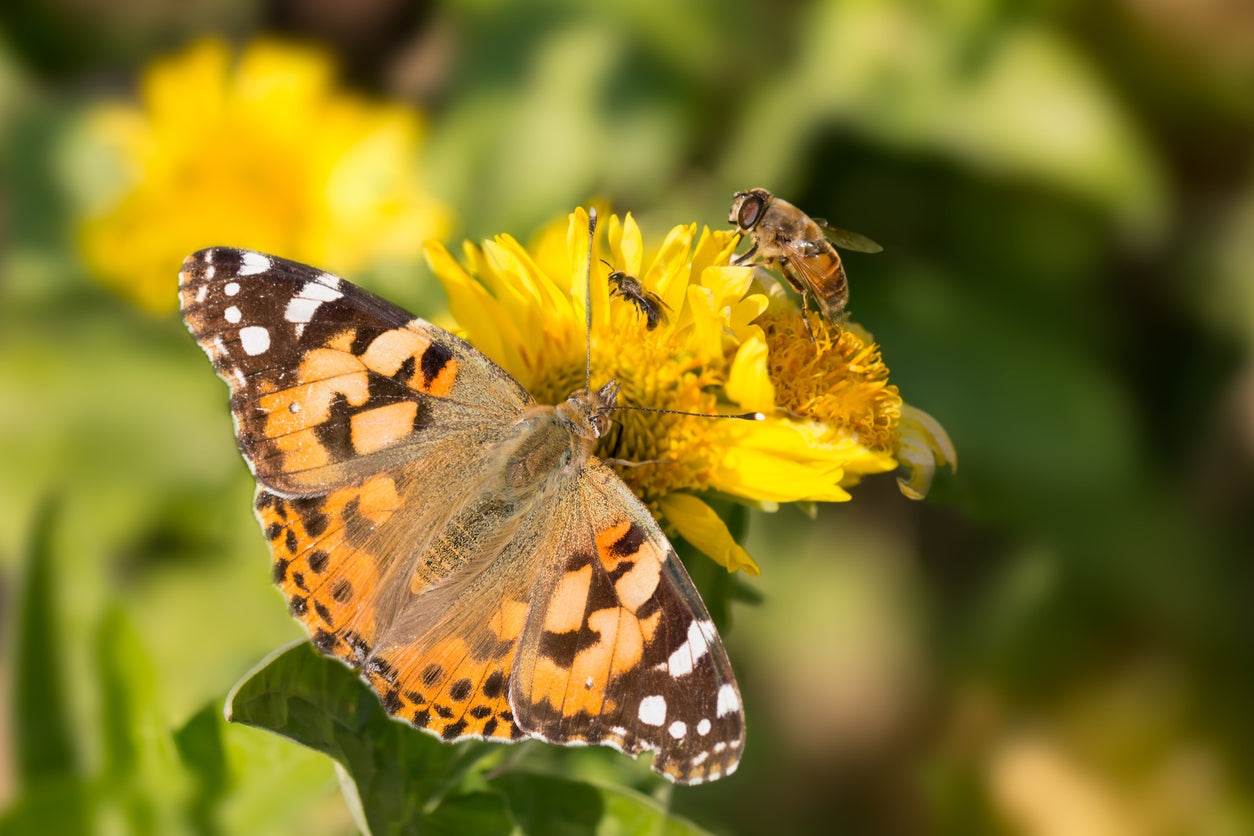
We couldn't start this article without covering our very own butterflies! You're probably used to seeing butterflies out and about every summer, as they love warm weather and sunshine and the colorful flowers that accompany it. During summer, butterflies spend their time fluttering between flowers to sip nectar with their long, straw-like proboscis. They often bask with wings open to absorb heat and love to get some R and R on leaves or rocks. Popular summer locations include gardens, meadows, parks, and anywhere with blooming flowers or host plants like milkweed.
For children, butterfly watching is a calm but engaging activity. Encourage your children and students to create a butterfly observation journal, record wing colors, or even plant a small pollinator garden for future observation.

Love ladybugs? So do we! Ladybugs are small, round beetles best known for their bright red or pinkish shells marked with black spots. Their bold coloring warns predators that they are an unappetizing snack, while their hard wing covers protect the delicate wings folded like a swiss-army knife underneath.
In summer, ladybugs are commonly seen crawling along leaves and stems in search of aphids and other food sources. They may fly short distances, then pause to explore plants or relax in the sun. Ladybugs are commonly found in gardens, parks, fields, and near vegetable plants where aphids gather. Ladybugs are usually easier to observe than butterflies, as they can be more sedentary and less quick to fly away. Encourage the use of a magnifying glass to get a closer look - just make sure not to touch these fragile insects!
Antsy for more? Ants are small but sturdy insects with three main body parts: a rounded head with elbowed antennae, a narrow waist, and a segmented abdomen. They are strong for their size, with six powerful legs that help carry food many times their own weight.
In summer, ants are especially active and warm weather sends them out in long trails as they search for food, care for larvae, and expand their underground nests. Ants are often found on sidewalks, playgrounds, gardens, under rocks, or near trees and picnic areas. Ants occupy a profoundly important role in our environment, not just on the food chain - they are also integral for healthy soil and litter removal!
For child-friendly observation, a magnifying glass is perfect for watching your ant friends up close as they follow scent trails or work together. Kids can gently place a crumb a short distance away and observe how ants discover and share food - just make sure not to touch or disturb them! Watch how a "trail" of ants occurs as they explore and communicate. How many ants go marching one-by-one?
Now it's time to cover an insect who prefers to jump rather than fly! Grasshoppers are athletic insects with long, powerful back legs built for jumping and two pairs of wings folded neatly along their bodies. Their green/brown bodies help them blend into grasses and leaves, and they have large, rounded eyes on the sides of their heads. Grasshoppers are active in the summer and spend most of the day feeding on plants, snoozing in the sun to stay warm, and hopping away quickly when disturbed - often with a buzzing or clicking noise!
True to their name, grasshoppers are commonly found in grassy fields, meadows, gardens, parks, and trails with tall plants. Encourage your children to watch how far they can jump or listening for its sounds to compare observations with expectations. Can they camouflage into their surrounding environment? What's the farthest (or highest) they can jump? The answer may surprise you!
Dragonflies catch the eye with their shining slender bodies, two pairs of delicate wings, and very large compound eyes that often seem to cover most of their heads. Their metallic colors can be bright blue, green, red, which making them easy to spot in sunlight if the viewer is paying attention. Dragonflies are fast and active flyers. They zip through the air hunting mosquitoes and other small insects, sometimes hovering in place or darting suddenly in a new direction. These agile techniques make them the most successful hunters in the animal world, with a stunning 97% success rate!
Dragonflies love warm and sunny days of summer, and are commonly found near ponds, lakes, streams, wetlands, and even gardens. Encourage mindfulness and patience with observational exercises by sitting quietly near the water’s edge and watching dragonflies patrol their territory (you can even grab a pair of binoculars if you wish). They're fast flyers, but you can get a glimpse if you watch closely!
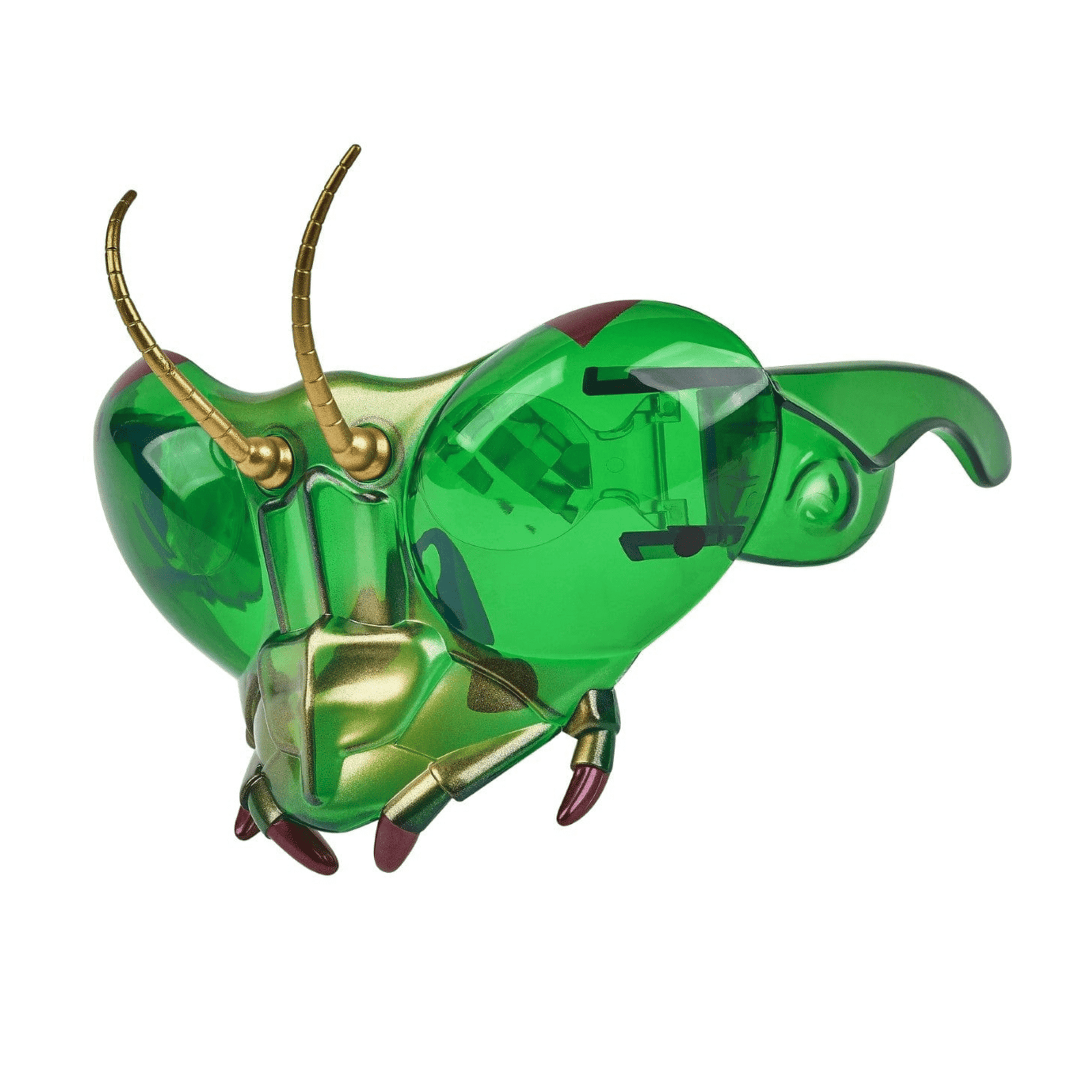
Summer is the perfect time to meet a Mantis! You're probably familiar with the Praying Mantis and it's long, thin body, triangular head, and large, bulging eyes. Most of all, you know their distinctive front legs, bent in a “praying” position and lined with spikes for snatching prey.
Like grasshoppers, their brown/green colors make them experts of stealthy camouflage. In summer, mantises are active insects, staying solitary and moving through the leaves and grass with slow, deliberate, movements that are intriguing to observe.
Praying mantises are commonly found in gardens, meadows, shrubs, and near flowering plants where food is plentiful. Like the other insects in this guide, the mantis is too fragile to handle directly. That's why we recommend quiet, patient observation from a short distance. You can even use a magnifying glass if you get close enough... and you might find the mantis getting a close look back at you!

Now that it's summertime, it's the perfect opportunity to discover more about the incredible world of insects that is all around us! You don't need to be an expert biologist or experienced adventurer to seek out some bugs - in many cases, it's as simple as taking a step outside your door! You may be surprised at the incredible friends you may see fluttering, crawling and buzzing around you.
Of course, you can also experience an Insect Lore habitat so you can observe and raise your very own insect buddies! Visit us today to explore the incredible life cycles Mother Nature has to offer, and start your lifelong learning adventure today!
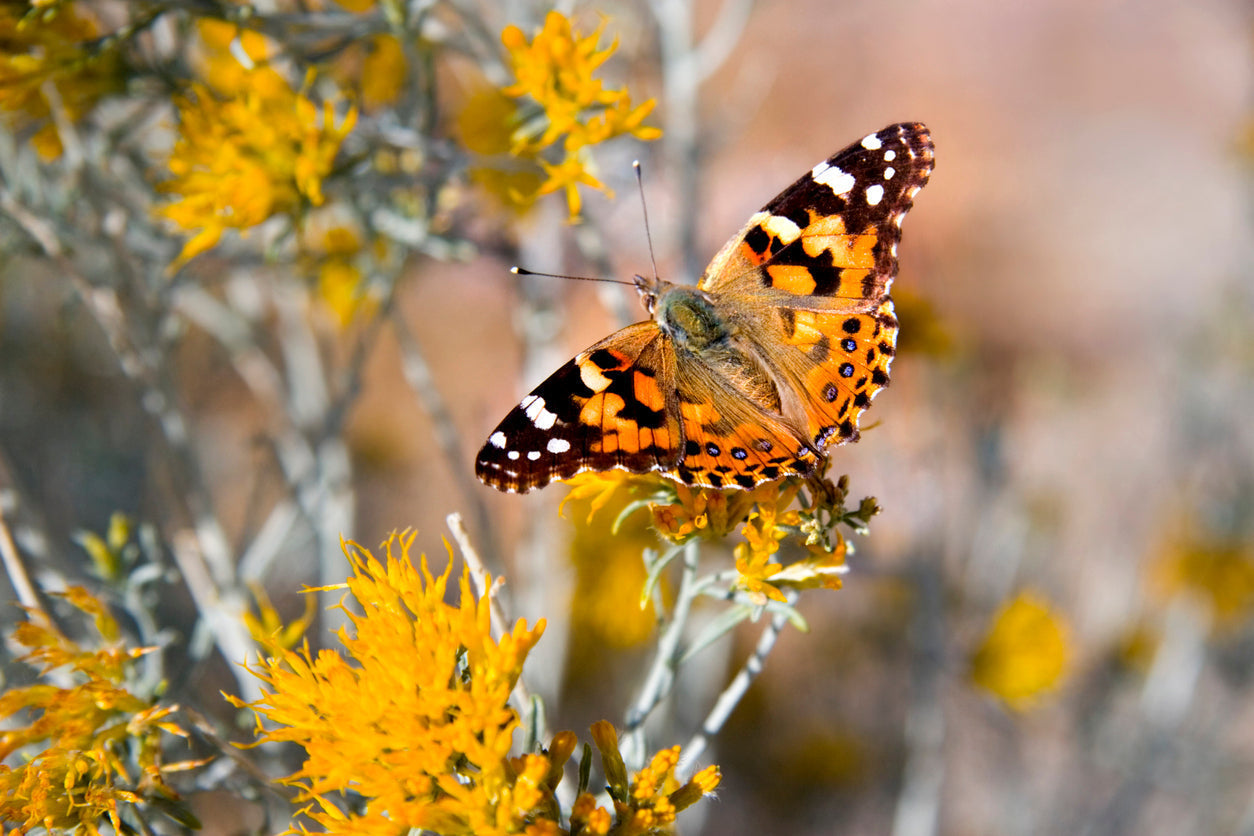

The Monarch Butterfly and the Painted Lady Butterfly are often mistaken for one another, due to their similar orange and black coloring. Read on to discover why the Painted Lady is the preferred choice for your butterfly-raising activities, and why Monarchs should stay wild!
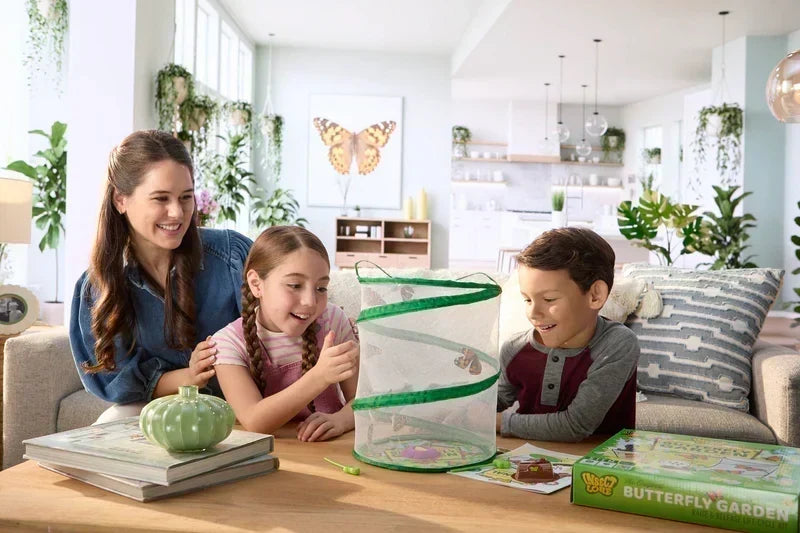

Can't decide which Butterfly Garden habitat is the right choice for you? No problem! We've got the perfect guide to help you find the perfect experience for your life cycle adventure.

Our insects are sensitive to outdoor temperatures. We recommend ordering when daytime temperatures are below 90 degrees.
We are unable to combine redemption fees. If you are redeeming 1-5 voucher codes, please complete separate purchases through our website for each voucher. If you are redeeming 6+ vouchers, please email us at customerservice@insectlore.com with your voucher codes and shipping address and we'll send you a custom invoice for payment.
You redeemed a $title

Check the Box to Add this Special Offer to your Cart
Check the Box to Add this Special Offer to your Cart