


The Ultimate Guide to Raising Harvester Ants
Introduction – Meet the Harvester Ant
Hi there! Meet the Harvester Ant, one of nature’s most impressive little engineers. They may look minuscule, but these tiny insects are constantly busy building tunnels, gathering food, and working together in perfectly organized colonies that stretch deep beneath the earth's surface. And now you have the incredible opportunity to witness their unique lives up close!
At Insect Lore, we’ve been helping families, teachers, and young scientists connect with nature for more than 50 years. We believe that learning about insects should be both fun and educational. When children care for living creatures, they learn patience, responsibility, and curiosity — skills that last a lifetime.
By raising harvester ants, you get a front-row seat to one of nature’s most effective workers and the ultimate team players! You’ll learn how ants communicate, how they build their homes, and how every tiny ant has a role to play in keeping the colony healthy.
This guide will walk you through every step of the process, from setting up your ant farm to feeding, care, and troubleshooting. Whether you’re a teacher running a classroom science project or a parent starting a fun nature activity at home, this is everything you need to know to raise a thriving colony.
Ready to start raising your very own harvester ants? Check out Insect Lore’s Ant Hill Kits, which include everything you need to begin your ant-venture.
What Are Harvester Ants?
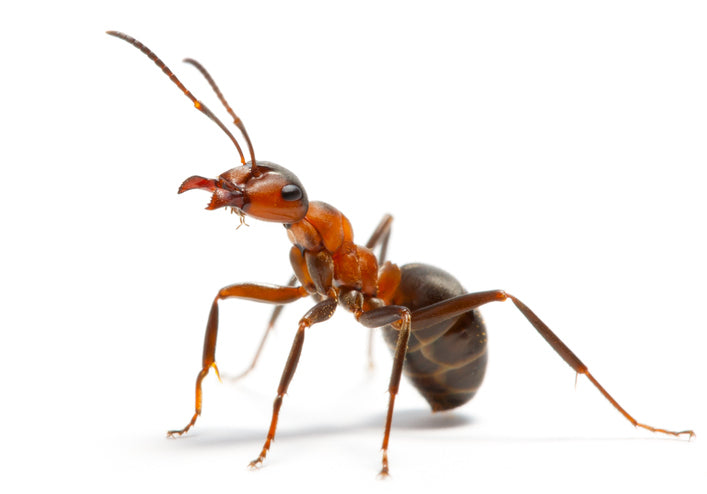
Just as their name suggests, Harvester ants are a fascinating species of ant that collect and store seeds. Insect Lore ants are from the Pogonomyrmex family, a group known for their strength, teamwork, and busy nature. Your Ant Hill ants are Western Harvester Ants from the rugged deserts of the American Southwest, known for their exceptional digging skills! They live in dry, sunny areas such as deserts, plains, and grasslands. Here they dig complex and intricate underground tunnels to store seeds and protect their colonies from predators and harsh weather.
What Makes Harvester Ants Special
-
Size and Visibility: They’re larger than many other ant species, making them easy to observe in your habitat.
-
Strong Builders: Harvester ants are amazing diggers. They create long, winding tunnels that are perfect for observation.
-
Teamwork Experts: Ants are the ultimate team players! Watch how they all work together without slowing down or getting confused. Observe how they communicate by touching their tiny antennae together (You'll learn more about that later)!
-
Seed Collectors: Their healthy diet of seeds makes them easier to feed than other species that prefer a sugary diet.
Children and adults of all ages will enjoy watching their harvester ants build, cooperate and explore, observing cooperation and perseverance in action. It’s a lesson in teamwork and patience, both for the ants and their observers!
Fun Fact: In the wild, harvester ants are so skilled at collecting and dispersing seeds that they sometimes change the local landscape by helping new plants grow. How's that for making an impact!
Understanding the Harvester Ant Colony
To care for your ants, it helps to understand how their colony works. Even without a queen, harvester ants demonstrate an amazing ability to communicate and cooperation. Each member knows exactly what to do to keep the colony running smoothly and safely.
The Role of Worker Ants
All of the ants you’ll receive in your Insect Lore habitat are workers. Worker ants are female, and they do nearly all the tasks in a colony, such as digging tunnels, foraging for food, feeding other ants, and protecting their home.
If you watch closely, you’ll start to notice that different ants seem to “specialize.” Some prefer to dig, while others guard the nest entrance or move food to storage areas.
How Ants Communicate
Ants don’t talk or make sounds like we do. Instead, they use chemicals called pheromones to send messages. An ant might leave a scent trail that says, “Food this way!” or “Danger ahead!”
They also use their antennae to touch and “smell” one another, which is how they recognize their nestmates as well as identify "foreign" or strange ants from a different colony. In your habitat, you might see them tapping each other with their antennae — that’s how they share important information, or even just say hello.
The Life Cycle of Harvester Ants
In nature, a colony begins with a queen laying eggs. Those eggs hatch into larvae, which grow into pupae, and finally become adult ants. Your ant farm starts with adult workers, so you’ll skip the early life stages and focus on how they build, forage, and live together in their complex tunnel community.
Why There’s No Queen in Your Habitat
Many people wonder why ant habitats don’t include a queen. Worker ants can live for months without one, and they’ll still perform all the behaviors that make them so fascinating to watch. A queen’s only job is to lay eggs, which isn’t necessary for educational habitats.
Setting Up Your Harvester Ant Habitat
Creating the right home for your ants is the first step toward raising a healthy colony. With just a little preparation, you’ll give your ants the perfect environment to tunnel, build, and explore. The below instructions are taken directly from our Ant Hill Instruction Guide.
Fun Fact: An ant habitat is known as a formicarium! It's the fancy word for a specialized enclosure that mimics an ant colony. The formicarium allows curious minds to watch ants tunnel and build out their own thriving home.
Choosing the Right Habitat
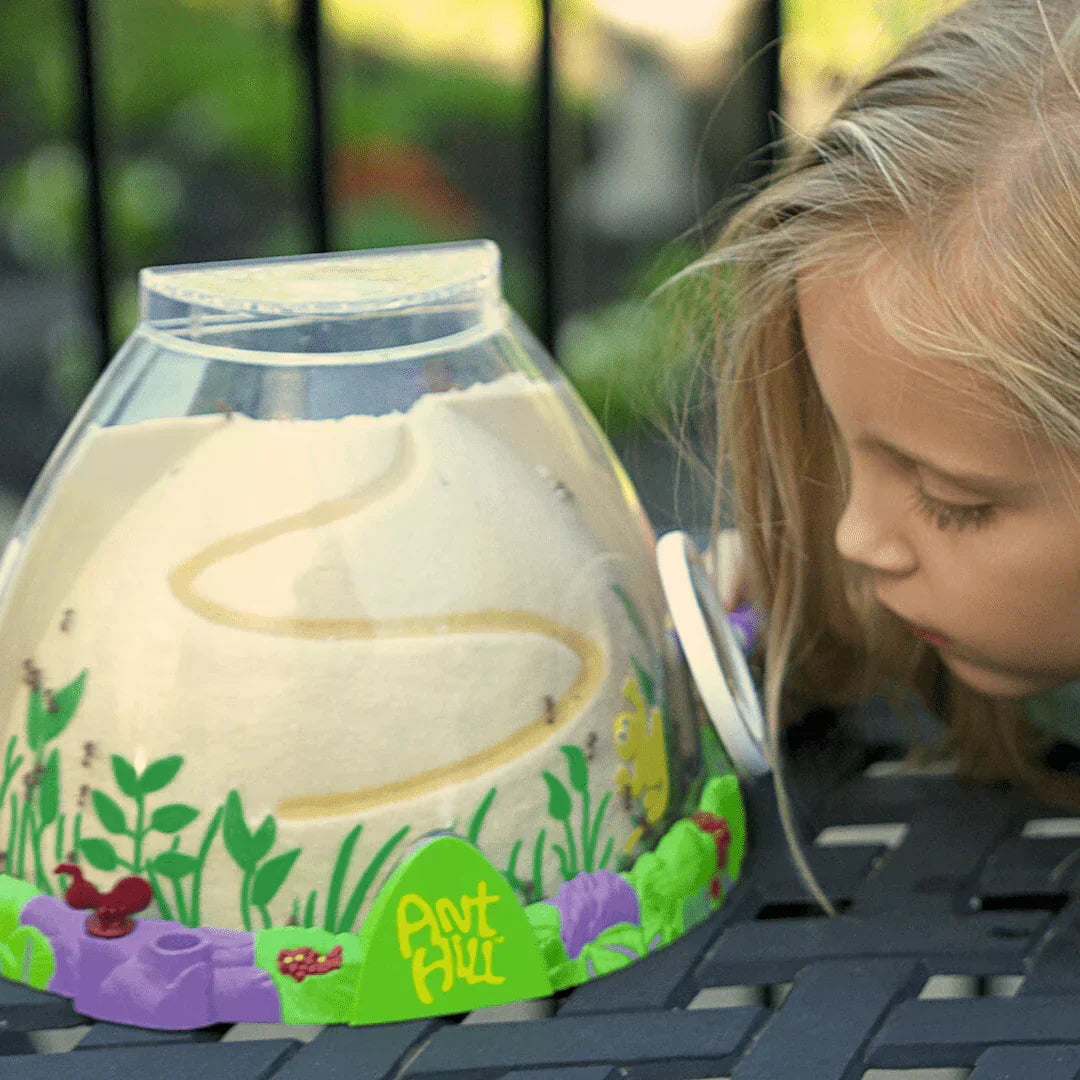
Insect Lore's Ant Hill habitats are designed for safety, visibility, and fun. Sand Habitats offer a more natural environment similar to the ants’ desert homes. Our habitats require you to provide food and water periodically, and are perfect for children and classrooms who want the full experience of real ant behavior and care.
Preparing Your Ant Habitat
Before your ants arrive:
-
Place your habitat on a flat, stable surface.
-
Keep the habitat at room temperature, ideally between 70 and 75 degrees Fahrenheit (21–24°C).
-
Avoid direct sunlight, heaters, or air vents that could make the environment too hot or dry.
Creating the Right Environment
Ants thrive in calm, quiet spaces. Vibrations, noise, and sudden light changes can stress them out. Try to place the habitat somewhere it won’t be bumped or shaken.
Pro Tip: Keep your habitat in indirect light. Too much light can dry out the sand, but complete darkness may make it hard to observe your ants.
Introducing Your Ants to the Ant Farm
When your ants arrive, they’ll likely be active and eager to explore. Follow these steps to make their introduction smooth and safe.
When Your Harvester Ants Arrive
Your Ant Hill comes with live Harvester Ants or a voucher to redeem them later.
• Your ants arrive in two small tubes. Do not open them yet!
• Place the tubes in the refrigerator for 10-15 minutes to slow the ants down for easier transfer.
• Do NOT freeze the ant tubes!
How to Add Your Ants to Their New Home
Here's how to introduce your new guests to their Ant Hill home. It may look empty now, but soon this will be an active and thriving colony of busy workers and explorers! All you need is a light touch, some sand, water, and of course your friendly Harvester Ants. Let's get started:
-
Snip a small corner off the sandbag.
- Measure 1/3 cup of water.
- Open the Ant Hill lid, facing the flat side toward you, and locate the small
“half funnel” hole at the top. - Pour 1-2 inches of sand into the back flat area of the Ant Hill. Don’t worry about sand falling onto the front.
- Use the sand rod to tamp the sand into the corners, allowing more space for digging. Tap the base of the Ant Hill gently on a flat surface to help the sand settle.
- After tamping, add 10 dropperfuls of water to the sand.
- Repeat until the sand is flush with the top. You may have leftover sand; that’s okay. You should use the entire 1/3 cup of water to achieve a “sandcastle texture.”
While the ants cool, create a starter tunnel by inserting the sand rod into the back of the habitat about 3 inches into the sand and then pulling it out.
- After cooling in the refrigerator for 10-15 minutes, the ants are ready to be transferred. Hold an ant tube upright and tap it gently.
- Open the habitat lid, twist and remove the cap from the first tube, and tap the ants into the Ant Hill. Repeat with the second tube and close the habitat lid.
- The ants may be sluggish at first but will soon explore and dig!
- Caution: Do not touch the ants; they can sting.
Caring for Your Busy Ants
- Food: Every 2-3 days, feed your ants one sunflower seed or a small piece of celery, apple, or carrot. Drop it into the Ant Hill and replace it after they eat it.
- Provide tiny portions and avoid overfeeding!
- Once every 2-3 days use your dropper to add 2-3 drops of water into the back of the Ant Hill and onto the sand - don’t overwater!
What to Expect in the First 24 Hours
Your ants might gather in a corner or appear to be resting at first. This is completely normal. They’re adjusting to their new environment. Within a day or two, you’ll likely notice small piles of sand forming — the beginnings of their tunnels. After a few days, the colony will settle into a rhythm of digging, organizing food, and exploring.
Common Mistakes to Avoid
Avoid the following mistakes when caring for your harvester ants.
- Keep your ants at room temperature and out of direct sunlight.
- Avoid rough handling, which can collapse the tunnels.
- Overwatering: Too much water can cause mold to form or create an unsafe environment for your ants.
- Overcrowding: 25 to 30 ants is ideal for most habitats
- Shaking the Habitat: Even light movement can disturb tunnels and stress the ants.
Helpful Tip: Ants are most active in the morning and late afternoon. Try observing them during these times for the best view of their behavior.
Feeding and Hydrating Your Ants
Feeding your ants properly keeps them healthy and active. It’s also a great opportunity to observe how they interact with food and each other.
What Do Harvester Ants Eat?
Harvester ants primarily eat small seeds, grains, and bits of fruits or vegetables. Their natural diet makes them easy to care for.
Here are some examples of good food options:
-
Small birdseed mix
-
Crushed sunflower seeds
-
Tiny pieces of apple or carrot
Feed your ants a tiny pinch every two or three days. Ants don’t need much food, and leftovers can spoil quickly.
Avoid sugary foods like honey or candy. These can mold easily and harm your colony.
Providing Water and Moisture for Your Harvester Ants
If you’re using a gel habitat, your ants will get moisture from the gel itself. For sand habitats, lightly moisten one corner of the sand every few days using a dropper.
Signs your ants have enough moisture:
-
The sand is slightly clumped but not soggy.
-
You see light condensation on the inside walls.
If the habitat ever feels too wet, leave the lid slightly open for an hour to let it air out.
Keeping the Ant Habitat Clean
Ants are tidy creatures by nature! Harvester ants naturally maintain a clean nest by removing waste, unsuitable food, and other debris from their living spaces. This housekeeping behavior supports the colony’s health and creates a clean environment where ants can thrive.
How to Clean Your Harvester Ant Habitat
Your Ant Hill habitat should stay clean and clear on its own, but there are rare cases where high temperatures or humidity may lead to moisture inside the habitat. Excess moisture left for too long may cause harmful bacteria or mold to develop within the habitat, although this is usually a rare occurrence. If that happens, there's no need to worry! Just use the following tips:
- Move the Ant Hill habitat to a cool space indoors out of direct sunlight. The moisture should begin to dissipate in a few hours.
- Wipe the viewing panels with a soft, dry cloth to keep your view clear. Make sure to do this only when the ants are away from the top lid!
- Keep an eye out for any food left in the habitat to ensure no mold is appearing.
Quick Answers:
-
Can I feed them sugar water? We don’t recommend feeding your harvester ants sugar water, as it can encourage mold and bacterial growth in the habitat.
-
What if mold appears in my Ant Hill habitat? Remove the affected sand and let the habitat dry slightly before adding fresh moisture.
Observing Ant Behavior
This is where the real fun begins! Watching ants go about their daily lives is like looking into a tiny world of teamwork and problem-solving.
Harvester Ant Behaviors to Look For
-
Tunneling: Ants dig elaborate tunnels to store food and create living spaces.
-
Food Storage: You may see them move seeds into “pantry” areas within the tunnels.
-
Cooperation: Ants often work in pairs or groups to move heavy objects.
-
Rest Periods: Even ants need short breaks. They’ll often rest together in quiet clusters.
Tracking Your Observations
Keeping a daily or weekly log is a great way to turn your ant farm into a science project. Record changes, such as new tunnels or feeding habits.
You can make a simple chart with columns for:
-
Date
-
What you observed
-
What food you offered
-
Any changes in behavior or habitat
Classroom Idea: Students can measure tunnel length with a ruler and graph their findings over time.
Fun Ant Observation Activities at Home
-
Tunnel Mapping: Draw what the tunnels look like each week to track progress. Try and predict where they will twist and turn next!
-
Ant Role Watch: Assign each student an “ant behavior” to watch, such as carrying, digging, or guarding.
-
Ant Olympics: Time how long it takes an ant to form a connected tunnel!
These activities help children develop observation skills, patience, and curiosity.
Troubleshooting Common Problems with Ant Farms
Even with the best care, small issues can occur with your ant hill habitat. Here’s how to handle them calmly and safely.
The Ants Aren’t Digging
If your ants haven’t started tunneling after a few days, check for these possible causes:
-
The sand may be too dry or compacted.
-
The habitat might be too cold.
-
The ants could still be adjusting to their new surroundings.
Try moistening the sand slightly or moving the habitat to a warmer room!
Mold or Odors
Mold is usually caused by too much moisture or leftover food. To fix it:
-
Remove the moldy section carefully with a spoon or tweezers.
-
Let the habitat air out for a few hours.
-
Reduce watering for a few days.
Escaping Ants
Always make sure the lid is tightly closed. If you need to open it for feeding or cleaning, do so carefully and only for a few seconds.
If an ant escapes, gently guide it back using a small brush or piece of paper. He needs to get back to the colony!
Classroom Lesson Ideas
Ant farms make learning fun and memorable. They tie into many school subjects — science, math, writing, and even art.
Activities for Home
-
Observation Journal: Encourage kids to write or draw what they see each day.
-
Ant Art: Draw or paint the tunnels and label different “rooms.”
-
Ant Story Time: Ask kids to write a short story from an ant’s point of view. What challenges or obstacles do they face during the day? How do they overcome it?
Classroom Lesson Ideas
-
Science: Study ecosystems, adaptation, and animal behavior.
-
Math: Measure tunnels or count food items carried by ants.
-
Language Arts: Write journal entries or descriptive essays about the ants.
-
STEM Integration: Combine engineering and biology by designing your own “ideal” ant habitat model.
Harvester Ant Discussion Starters
Odds are your students are already deep in conversation about the curious and fascinating behavior of their Harvester Ant friends. Here are some more questions to keep them involved and focused on further observation and learning.
-
Why do ants work together instead of alone?
-
How do ants communicate without talking?
-
What can we learn about teamwork from an ant colony?
- What incredible things can ants accomplish using teamwork and communication?
Ethical and Responsible Ant Care
At Insect Lore, we believe it’s important to teach respect and mindfulness for living things. Our western harvester ants are ethically sourced and handled with care from start to finish.
By raising ants responsibly, you’re bringing science, STEM learning and joy into your students and children's lives, teaching compassion, stewardship, and respect for nature — values that extend far beyond the ant farm.
Wrapping Up
Raising harvester ants is more than just a science project — it’s an adventure deep into a hidden world! You’ll observe teamwork, construction, and communication on a tiny scale. With patience and curiosity, you’ll learn as much from your tiny ant friends as they do from you. Whether you’re a parent guiding your child’s first nature project or a teacher embarking on a classroom lesson, your community of ants farm will lead to new discoveries every day.
Ready to dig in? Explore Insect Lore’s Ant Farm Kits and bring a living science experience to your home or classroom.
Quick Harvester Ant FAQ
What do harvester ants eat?
They eat seeds, grains, and small bits of fruits or vegetables.
How long do harvester ants live in an Ant Hill Habitat?
Most harvester ants live for two to four months in a habitat.
Do you need a queen in your Insect Lore Ant Hill Habitat?
No, worker ants do just fine without a queen in educational habitats.
How often should I feed my harvester ants?
Feed a tiny portion every two or three days.
Why aren’t my harvester ants digging?
They may need time to adjust or a little extra moisture in the sand.
Can I release my harvester ants outside?
No. Keep them in their habitat for their full lifespan.
How many ants come in a refill kit?
Each ant hill refill kit includes about 25 live ants.
Raise and Observe Your Very Own Harvester Ants with Insect Lore
Now you're equipped with all the knowledge you need to dig deeper and make the most of your Insect Lore Ant Hill experience! We hope you and your fellow learners have a wonderful time tunneling through the fascinating lives and incredible abilities of some of Nature's smallest creatures. It's the STEM-certified educational adventure that bug-lovers of all ages can enjoy.
Related products



Ant Kit Safety and Care Guide for Teachers
Insect Lore Ant habitats turn a hidden world of abstract biology into fascinating daily observation, letting students witness colony behavior, cooperation, and lifecycle firsthand and in front of their very eyes.


Educational Benefits of Ant Kits for Kids and Classrooms
Dig a little deeper! Ant kits are powerful hands-on learning tools that bring science to life, allowing students to observe real insect behavior while exploring biology, ecology, and complex systems through direct, engaging experience.


How Do Ants Communicate? Understanding Ant Pheromones
Ant pheromones guide everything from foraging trails to alarm signals, allowing thousands of individuals to act as one coordinated superorganism. These chemical messages are precise, adaptable, and essential for survival. By decoding how ants communicate through pheromones, scientists are able to find remarkable insights into collective behavior, ecology, and even innovative solutions for human technology and complex systems.

Enter Your Voucher Code Below
Our insects are sensitive to outdoor temperatures. We recommend ordering when daytime temperatures are below 90 degrees.
We are unable to combine redemption fees. If you are redeeming 1-5 voucher codes, please complete separate purchases through our website for each voucher. If you are redeeming 6+ vouchers, please email us at customerservice@insectlore.com with your voucher codes and shipping address and we'll send you a custom invoice for payment.
$title
Thank you for Redeeming your voucher!
You redeemed a $title
Redemption Fee :$redemptionFee
$upsellList
$ctaLabel

Don't miss this special one Time Offer.
Check the Box to Add this Special Offer to your Cart
$upsellTitle
$upsellPrice
Don't miss this special one Time Offer.
Check the Box to Add this Special Offer to your Cart
$upsellTitle
SAVE $upsellSavePrice