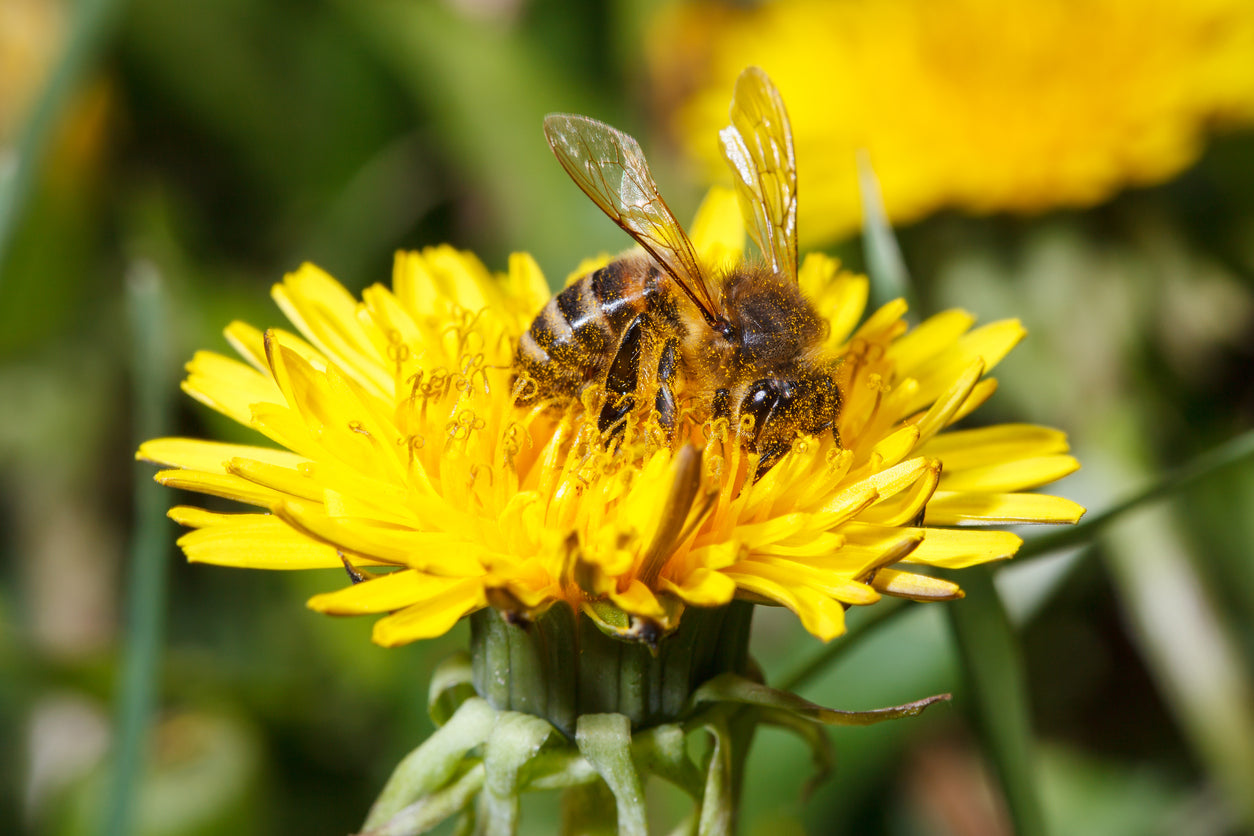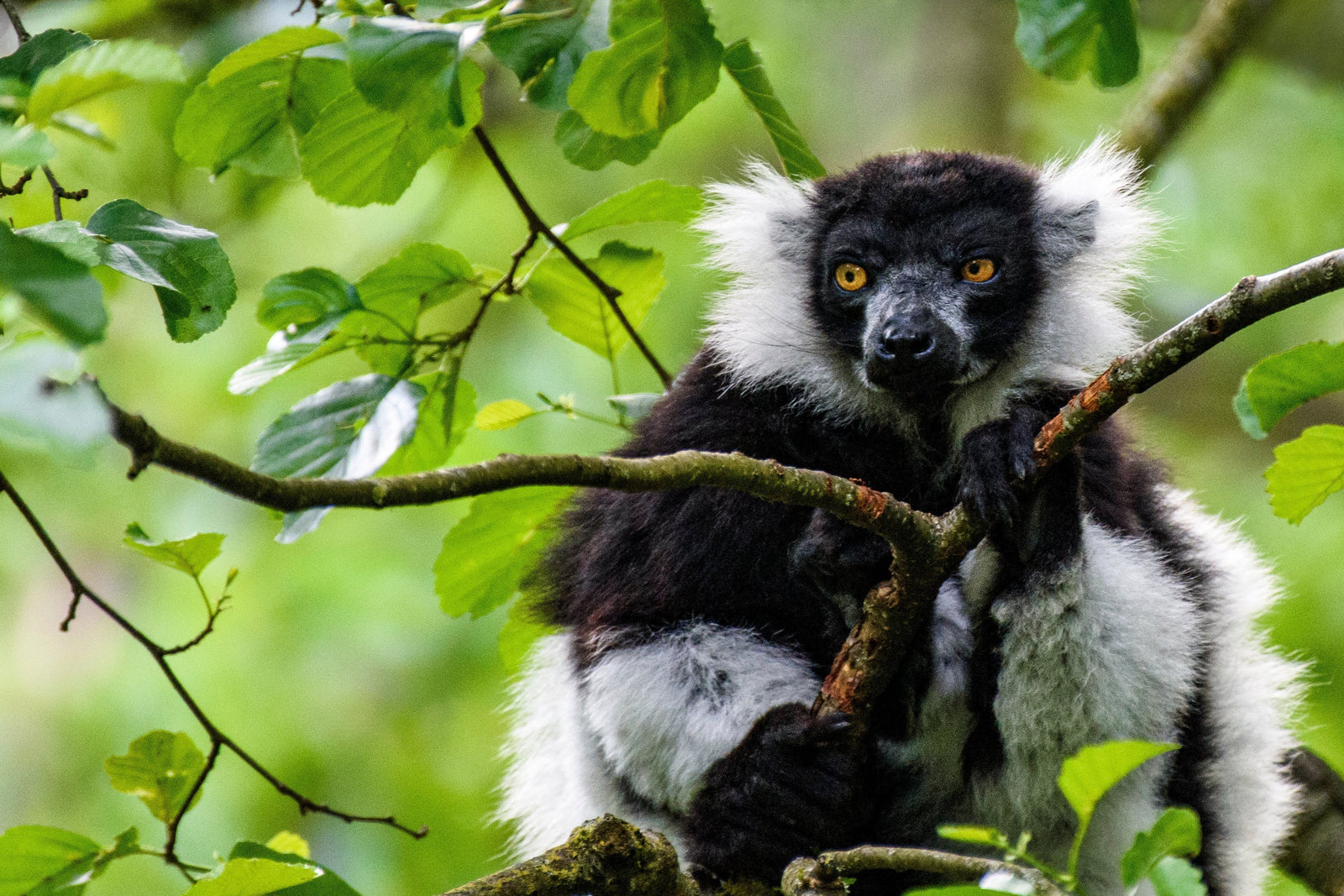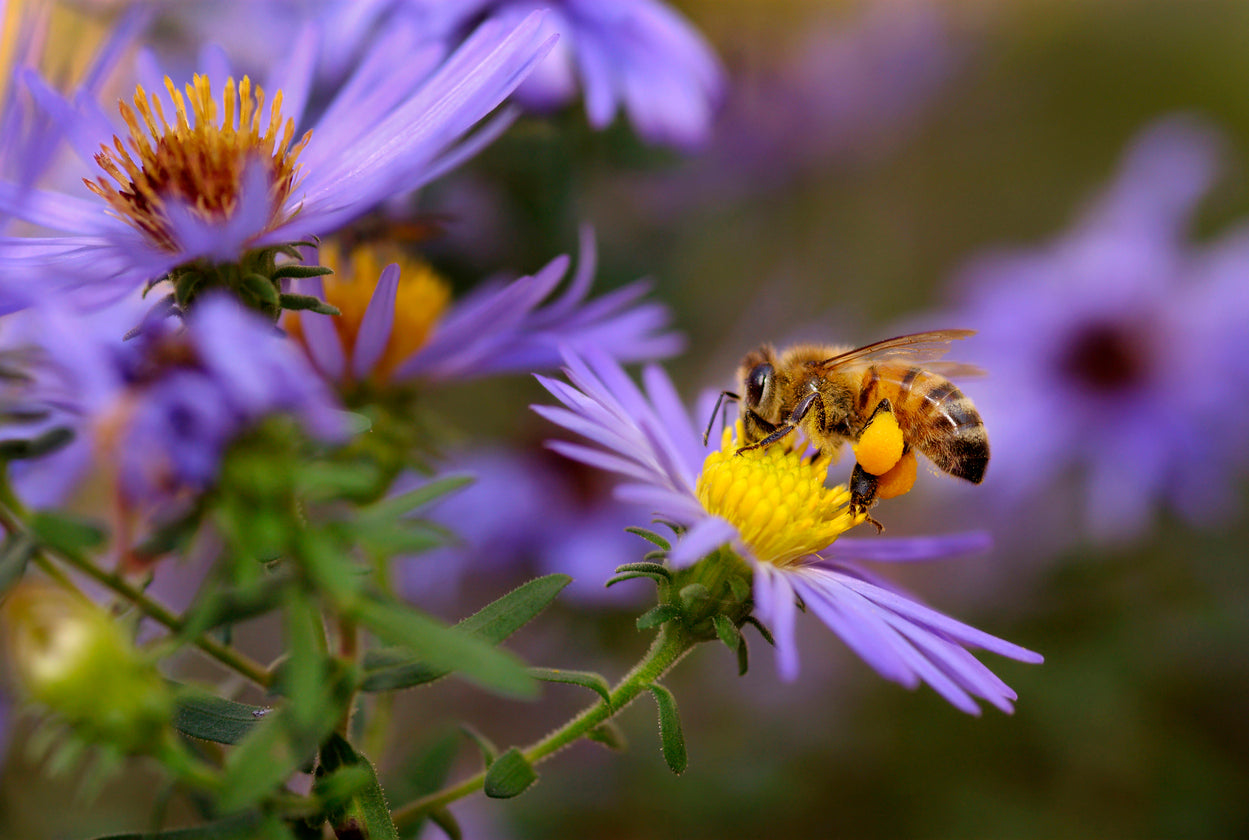

National Pollinator Month, observed every June, is dedicated to raising awareness about the essential role pollinators play in sustaining our ecosystems, agriculture, and global food supplies. During this special month, a massive number of organizations, communities, and individuals highlight the remarkable contributions of bees, butterflies, birds, bats, and other pollinating species, all while educating the public on how to support their health and habitats.
Why celebrate Pollinator Month? As scientists and conservationists increasingly recognized the alarming decline of pollinator populations due to habitat loss, pesticide exposure, climate change, and disease, it became more clear than ever how important it is to protect and celebrate our pollinating friends.
By creating an annual observance, pollinator advocates created a focused period to mobilize conservation efforts, promote pollinator-friendly practices, and inspire collective action to protect these incredible and unique species for countless future generations.
National Pollinator Month originally started as National Pollinator WEEK - a grassroots effort that was given national visibility through the efforts of a handful of key organizations and individuals. The original driving force behind this was the Pollinator Partnership, founded in 1997 by researchers and advocates including philanthropists, beekeepers and scientists. These associated nature lovers helped to drive concern about declining pollinator populations, culminating in a first-ever report by a national scientific body!
The formal establishment of National Pollinator Week came in 2007, when the Secretary of Agriculture issued a proclamation to finally designate the week of June 24–30 that year as National Pollinator Week. Since then, the week has been endorsed annually by federal agencies, state governors, and countless environmental organizations, helping to grow and transform awareness of pollinator-conservation issues and simultaneously inspiring habitat protection, research, and public engagement.
Like many of the insects it helps to celebrate, Pollinator Month has been transforming throughout it's entire life cycle! Follow the history of the organization's fascinating metamorphosis below:
In its first few growing years, National Pollinator Month focused on raising public awareness about the decline of bees, butterflies, bats, and other pollinating species while encouraging communities to take conservation action in their communities.
The initiative’s original objectives included educating people about the valuable role pollinators play in food systems, championing the planting of native flowering species, and cutting down harmful pesticide use as much as possible.
Early activities often featured communal outreach campaigns, school and garden workshops, habitat-restoration events, and drives to help citizens create pollinator-friendly neighborhoods.
Their metamorphosis did not end there! Over the years, observance of Pollinator Month blossomed as more conservation groups, universities, and gardening organizations helped to host events and share their resources. Government agencies such as the USDA, EPA, and local environmental departments began to incorporate pollinator-protection messaging into their projects and community programs.
Soon, schools, libraries, botanical gardens, and neighborhood associations began to organize citizen-science projects, planting/gardening days, and educational workshops. Pollinator Month soon grew from a tiny caterpillar from a niche environmental observance, and then emerged from its chrysalis into a widely recognized, community-driven effort supported by an enthusiastic public.
Community involvement can strengthen any garden by turning it into a shared space for learning, collaboration, and mindfulness. Try inviting your neighbors to help with planting, maintenance, or just friendly observation to build community support for pollinator-friendly practices. Host garden tours to spark discussion about native plants, habitat needs, and sustainable gardening. The odds are, you'll find more pollinator fans in your neighborhood than you expect!
Another big way to contribute is to participating in pollinator counts! This and other citizen-science projects gather priceless data on species populations and health, while giving volunteers a hands-on role in conservation. Sharing findings, offering short workshops, or planning school visits helps to spread knowledge about pollinator biology and the simple steps everyone can take to help ,whether it is planting nectar-rich natives or reducing harfmul pesticide use, or even cleaning up trash! Through collective community action, your neighborhood gardens becomes a valuable refuge for our fragile wildlife.
Pollinators need more help than ever!
National Pollinator Month is celebrated through a potent mix of educational programs, community planting events, pollinator counts, and partnerships among conservation organizations, schools, botanical gardens, and government agencies.
Many communities all around the world host native-plant workshops, create temporary or permanent pollinator gardens, and use social media campaigns to share practical tips on supporting bees, butterflies, birds, and other pollinators.
Pollinators need more help than ever! Despite this progress, pollinators continue to face major challenges, including habitat loss, pesticide exposure, climate change, and the spread of diseases and invasive species. In response, many new trends are emerging: cities are building pollinator-friendly pathways and landing spots, even on top of buildings!
Farmers are adopting environmental practices, and tech-driven tools like mobile monitoring apps are making data collection easier and more collaborative. As long as we continue to fight the good fight for our Pollinator friends, they will always have a chance to thrive!
Bring the fascinating world of pollinators into your home with Insect Lore's Live Butterfly Garden and our insect-raising kits. Experience an immersive STEM learning experiences that create lasting connections with the pollinators that sustain our ecosystems. It's the perfect path to begin your Pro-Pollinator adventure!
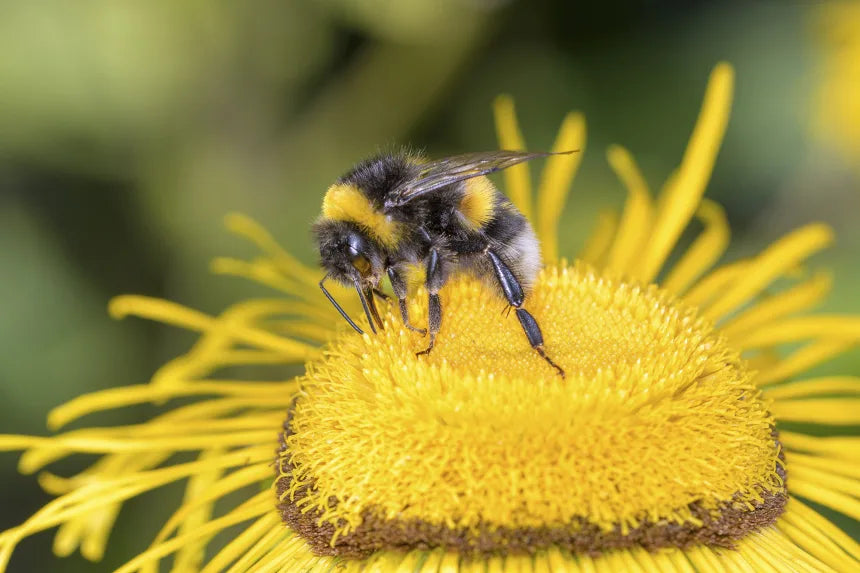

Pollination is the transfer of pollen from an anther of a plant to the stigma of a plant, which makes fertilization and the production of seeds possible. Read on to discover the uniquely incredible world of pollination, which brings so many priceless gifts to our own world.

Our insects are sensitive to outdoor temperatures. We recommend ordering when daytime temperatures are below 90 degrees.
We are unable to combine redemption fees. If you are redeeming 1-5 voucher codes, please complete separate purchases through our website for each voucher. If you are redeeming 6+ vouchers, please email us at customerservice@insectlore.com with your voucher codes and shipping address and we'll send you a custom invoice for payment.
You redeemed a $title

Check the Box to Add this Special Offer to your Cart
Check the Box to Add this Special Offer to your Cart