
• Add description, images, menus and links to your mega menu

  • A column with no settings can be used as a spacer

  • Link to your collections, sales and even external links

  • Add up to five columns

  • By Spencer McManamna December 15, 2025 8 min read

    Understanding Different Types of Pollinators

    Pollination is the transfer of pollen from an anther of a plant to the stigma of a plant, which makes fertilization and the production of seeds possible. This process usually involves separate agents such as insects, mammals, birds, and even the wind, though other rarer methods of pollination are possible! Read on to discover the uniquely incredible world of pollination, which brings so many priceless gifts to our own world. 

    1. Insects

    Insects are the most readily apparent type of pollinators and the ones that will probably come to one's mind first! Insects  - small arthropod animals with six legs and generally one or two pairs of wings -form the largest group of pollinating animals. 

    Bees

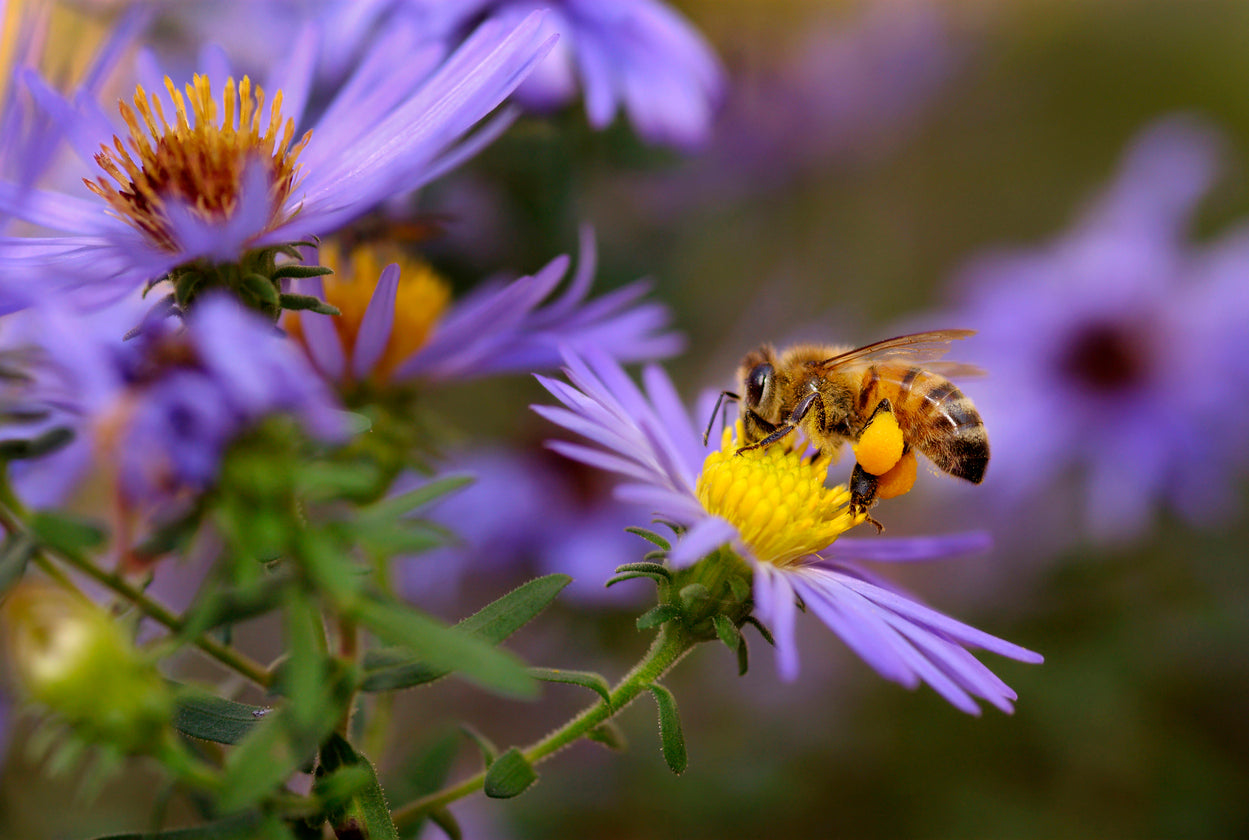
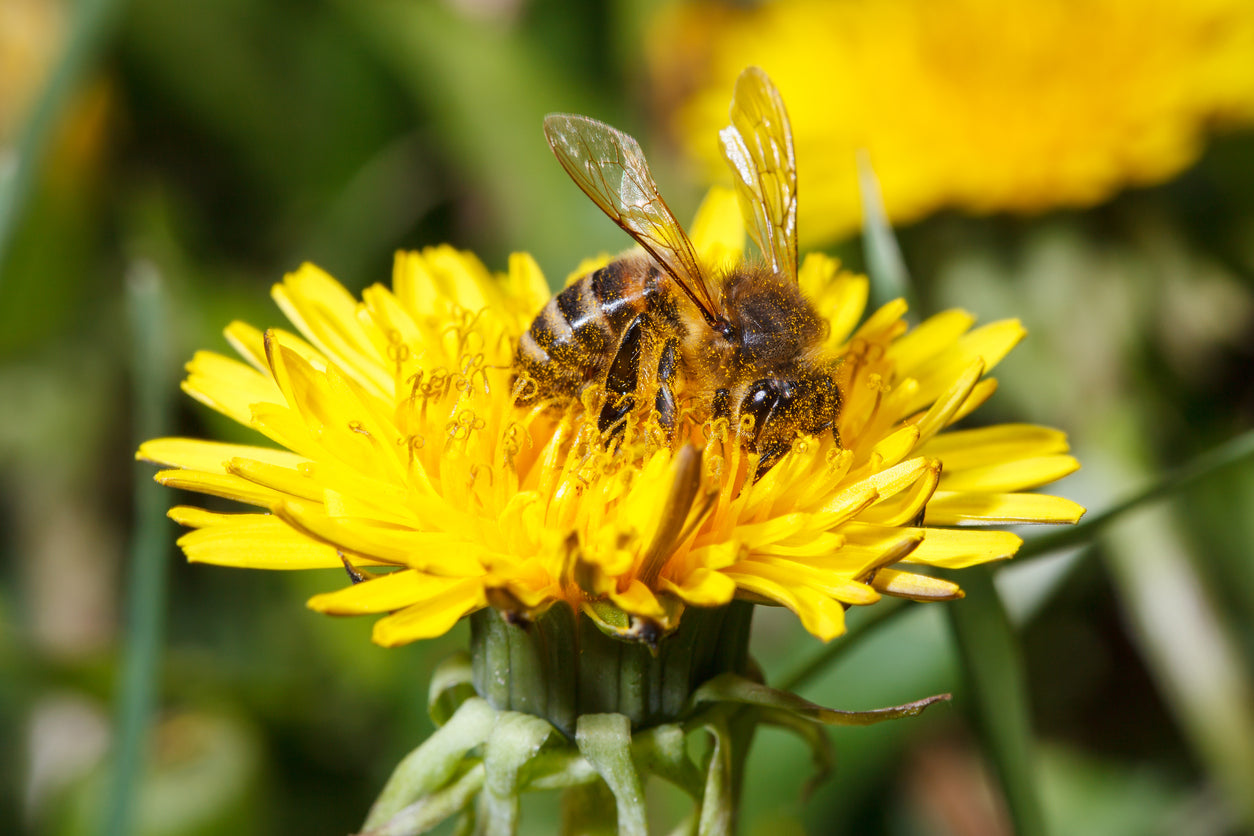
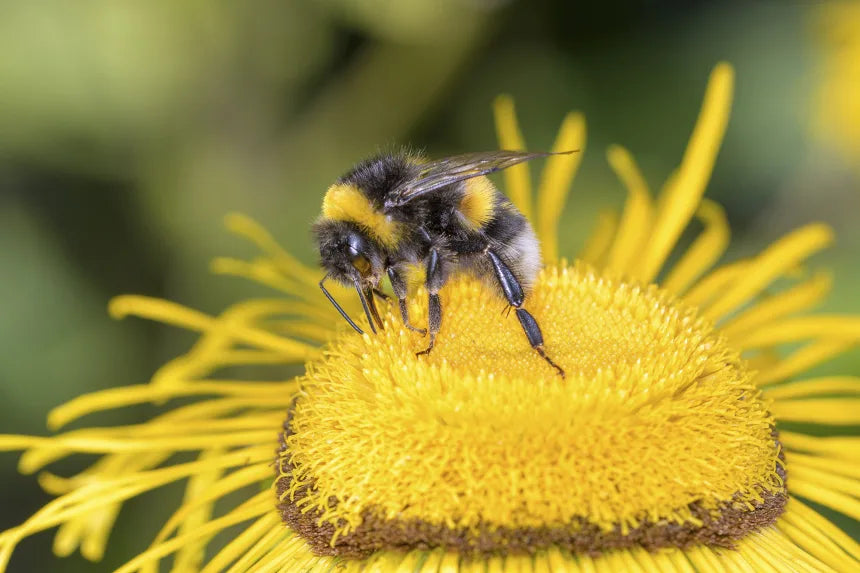
    Bees work like tiny airborne couriers, ferrying pollen between blossoms so plants can set fruit and seed. Species such as the Honey Bee (Apis mellifera) carry pollen on specialized body hairs, brushing against stamens and stigmas as they buzz and zigzag through meadows, orchards, and deserts. Their visits boost reproduction in everything from blueberries to almonds, some of our very favorite snacks! Spanning across continents and climates, bees form an intricate living network that keeps ecosystems, farms, and wild landscapes fruitful and fantastic.

    Butterflies and Moths

    If you've fluttered through our blogs before, odds are you're aware of the incredible role butterflies play in pollination! 

    Flies

    Flies can pose as pollinators, weaving through cool, high-altitude and early-spring habitats to pollinate where bees are scarce. Their fuzzy thoraxes end up dusted with the golden dust of pollen when they alight on flowering plants, though they are not as accomplished as bees are. Tiny fungus gnats in the family Mycetophilidae are the only pollinators to pollinate Arctic and alpine orchids. Flies keep many cool-climate herbs, high-latitude shrubs, and odor-forward tropical giants fruiting in places where bees either cannot or will not explore!

    Beetles

    It should be no surprised that the largest group of insects on the earth are skilled pollinators! Beetles were among the earliest pollinators on our planet, and they still patrol their floral friends with a slow, deliberate movements. In North America, soldier beetles such as Chauliognathus pennsylvanicus clamber through goldenrods, gathering pollen across their elytra (case) as they feed on nectar and floral parts.

    Farther south, scarab beetles like Cyclocephala lurida dive into the warm, fragrant plants including the shrub Philodendron solimoesense, to find pollen-rich refuges. Across continents, countless beetle species keep a large share of Earth’s plants flourishing through their skilled foraging.

    Wasps

    Wasps often act as stealthy pollination partners, slipping between petals while pursuing nectar or prey while unintentionally delivering pollen to receptive flowers. In Mediterranean scrublands, paper wasps like Polistes dominula visit plants such as Daucus carota

    Solitary pollen wasps in the genus Masarinae, found in arid regions of southern Africa and the southwestern United States, behave more like bees, gathering pollen from flowers like Phacelia and Heliotropium. Wasps help maintain plant reproduction in deserts, forests, and scrublands where their agile flights stitch ecosystems together.

    Ants

    Ants are sometimes unwitting pollinators, though their ground-hugging routes limit how far their pollinating skills can go. In Mediterranean cliffs and scrub, species such as Tapinoma nigerrimum shuffle pollen between low, open flowers. The highlands of Mexico host nectar-rich cacti whose pads attract lines of Camponotus workers that brush pollen from anthers to stigmas as they forage.

    Even in Australian countryside, Iridomyrmex species pick their way through the flowers of shrubs, contributing small but important pollination support. Their efforts may be humble, but these miniscule pollinators are still welcome allies of plant reproduction wherever flowers sit close to the soil.

    2. Birds

    You may not be aware, but birds are an unexpected yet valuable group of pollinators! Our avian allies play an overlooked role as pollinators in ecosystems around the world. As they feed on nectar, their feathers and beaks pick up pollen and transfer it between flowers, helping plants reproduce. In many regions, most especially the tropics and the Southern Hemisphere, bird pollination is essential for maintaining plant diversity and supporting habitats.

    Hummingbirds

    Hummingbirds have evolved alongside nectar-producing plants in tropical parts of the world. As they hover to feed on nectar, pollen adheres to their bills, faces, and feathers and is transferred between flowers, promoting cross-pollination.

    The ruby-throated hummingbird (Archilochus colubris), common in eastern North America, pollinates plants such as cardinal flower, trumpet honeysuckle, and jewelweed, all of which have tubular flowers adapted to hummingbird vision and feeding behavior. Their narrow beaks can reach inside many flowers that other birds cannot! 

    3. Mammals

    Mammals are another unexepected but valuable type of pollinator. This is most often bats sue to their ability to fly, but there are many other surprising agents in the rare world of mammal pollination. Read on to discover more! 

    Bats

    Bats fulfill a welcome nocturnal role in pollination, especially in desert ecosystems. Most bat pollination is carried out by nectar-feeding bats in the families Phyllostomidae leaf-nosed bats and Pteropodidae fruit bats.

    As these bats feed, their faces and fur become coated with pollen, which they transfer between flowers over long distances. In the Sonoran Desert of the southwestern United States and northern Mexico, long-nosed bats pollinate cacti such as the saguaro and organ pipe cactus, as well as agave species.

    Possums

    Possums play a lesser-known but ecologically important role as pollinators in Australia and nearby regions, particularly within forest and woodland ecosystems. Nocturnal marsupials such as the common brushtail possum, common ringtail possum, and the honey possum feed on nectar and pollen, transferring pollen on their fur and snouts as they move between flowers. Possums in Australia help propagate eucalyptus plants with the same method!

    Sugar Gliders

    Sugar gliders are small, nocturnal marsupials that pollinate in eastern and northern Australia, New Guinea, and surrounding islands by feeding on nectar and pollen as they glide between trees. While visiting flowers, pollen adheres to their fur and facial whiskers and is transferred among plants, facilitating cross-pollination. Sugar gliders are known to pollinate flowering trees such as eucalypts, paperbarks, and banksias, which produce nectar and bloom at night, making them the perfect choice tfor nocturnal mammals.

    Mice

    Say cheese! Mice and other small rodents can act as effective pollinators, particularly in arid and shrubland ecosystems where insect activity is scarce. This form of pollination, known as therophily, occurs when nocturnal mice visit flowers to feed on nectar or pollen, inadvertently transferring pollen on their fur and whiskers. They prefer ground-level plants like which produce sturdy, bowl-shaped flowers that are dull in color, strongly scented, and rich in nectar, all traits adapted for mammal visitation rather than insects or birds.

    By moving pollen between flowers over short but frequent foraging trips, mice help ensure seed set and maintain genetic diversity within ecosystems. It goes to show thateven the smallest ground mammals can play a powerful role in pollination.

    Lemurs

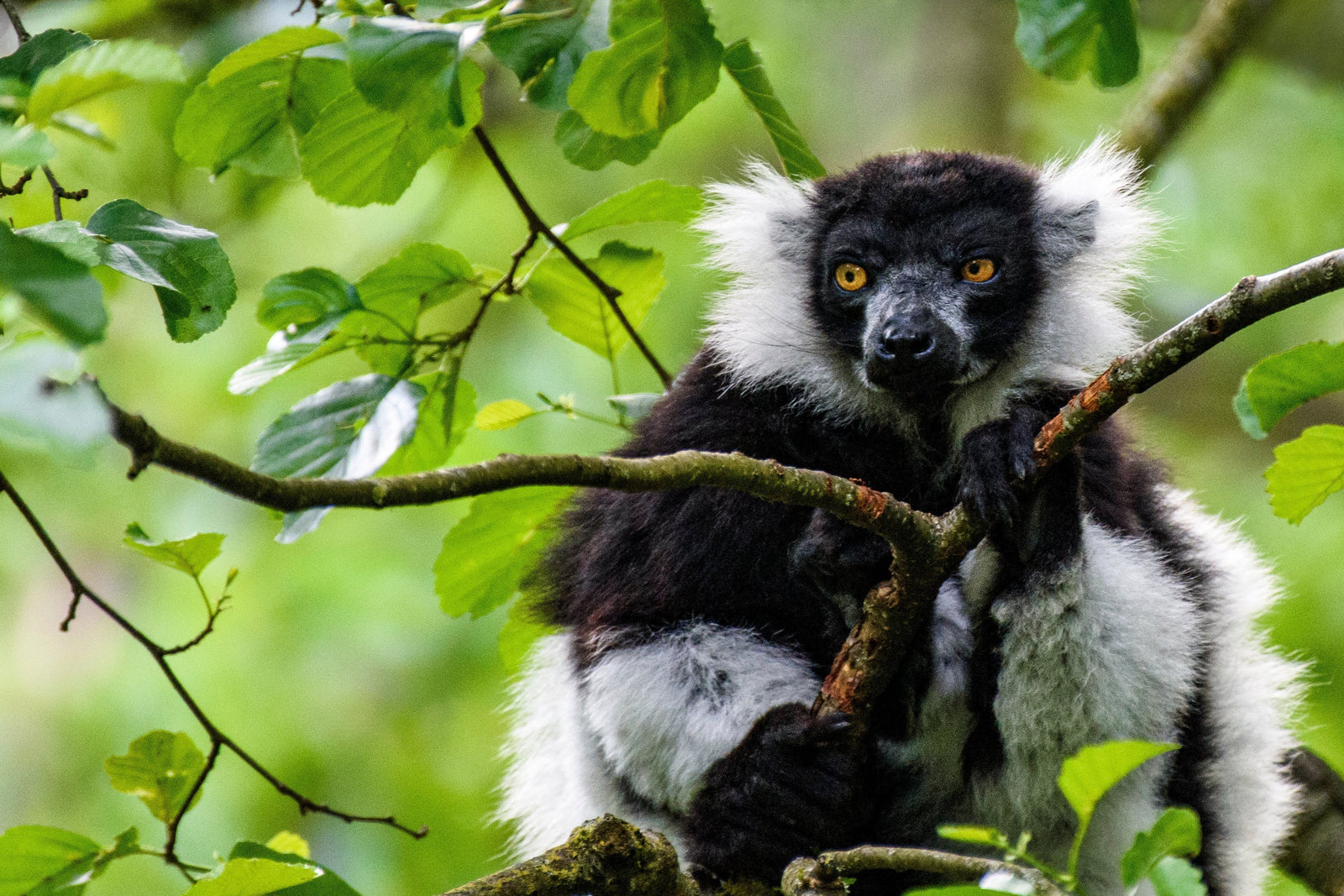
    Lemurs play a unique and much appreciated role in pollination in Madagascar, where they act as some of the island’s primary mammalian pollinators due to the scarcity of nectar-feeding birds and bats. Several lemur species feed on nectar and flowers, transferring pollen on their fur and faces as they move through the canopy. For example, the black-and-white ruffed lemur is a key pollinator of the famous traveler’s tree.

    Elephants

    Never forget, elephants can function as incidental but important pollinators in parts of Africa and Asia - especially in forest and savanna ecosystems where they physically interact closely with flowering trees and shrubs.

    African elephants and Asian elephants  consume flowers, nectar, and foliage, and pollen can stick to their trunks, large legs, and skin as they forage, allowing pollen transfer between plants over large distances.

    In African forests, elephants have been observed visiting and potentially pollinating baobab trees, whose large, sturdy, night-blooming flowers produce copious nectar and are accessible to large mammals. best of all, elephants roam far and wide, increasing pollination networks! 

    5. Reptiles

    It's true, reptiles can pollinate too! Geckos, Iguanas and Skinks are among the most successful reptilian pollinators. 

    Geckos

    Geckos are the primary pollinators in tough desert environments. Believe it or not, they are the tiny, sticky-footed party animals of the pollination world! These little lizards, like the Mauritian day gecko and New Zealand’s native geckoes, love sneaking nectar from flowers, and in the process, they get a bit of pollen stuck to their snouts and toes.

    In New Zealand, they help pollinate bold, nectar-packed blooms such as flax , and by day geckoes flit from flower to flower on ground plants, spreading pollen like miniature, scaly gardeners. Though small, these nocturnal and daytime lizards punch above their weight, keeping island ecosystems buzzing (or should we say, pollinated)!

    Iguanas

    Iguanas might seem like lazy sunbathers, but some of them moonlight—or rather, flower-light—as pollinators! On islands like the Galápagos, the green iguana and the critically endangered Santa Cruz iguana nibble on nectar and flowers, unintentionally picking up pollen on their snouts, heads, legs and scaly feet as they grab a snack. They help pollinate native plants such as the prickly pear cactus  and certain succulent blooms, spreading pollen as they wander steadily between flowers.

    Skinks

    If you need a third example of a pollinating reptile, just think of skinks! These speedy lizards, such as the nocturnal skinks in New Zealand and Pacific islands, dart among flowers in search of nectar or insects, accidentally picking up pollen on their scales. These under-the-radar reptilian helpers prove that pollination isn’t just for bees, birds, or bats: sometimes it takes some tiny, scaly explorers to keep the flowers in business!

    Other Animal Pollinators

    There are even more unique pollinators awaiting in the animal world, and some of them you'll never expect! 

    Snails and Slugs

    Snails and slugs might not look like typical pollinators, but they’re quietly busy helping flowers thrive, especially in damp forests and garden ecosystems around the world! These nocturnal nibblers, such as New Zealand’s native snails and tropical forest slugs, crawl over flowers in search of nectar and pollen, picking up pollen on their slimy bodies and shells as they go. Slow but surprisingly effective, these gastropod gardeners prove that even the most unlikely animals are effective allies in pollination. 

    Spiders

    Spiders might seem like stealthy predators rather than fans of flowers, but some species actually act as pollinators in a myriad of surprising ways! While they’re primarily hunters, small spiders can pick up pollen on their legs and bodies as they wander across flowers in search of prey, inadvertently transferring it to other blooms.

    In temperate regions of North America and Europe, these “accidental pollinators” visit flowers such as wildflowers and garden plants, while in tropical forests, tiny orb-weavers may carry pollen between low-growing "understory" plants. Though they don’t sip nectar or seek out pollen intentionally, spiders show that even unlikely guests can play a role in helping plants reproduce. Sometimes the most unexpected visitors have the ability to make a big difference!

    Supporting Pollinator Diversity

    Supporting pollinator diversity is easier than you might think, and even small actions can make a big difference in your local neighborhood's ecosystem. One of the most effective ways is to plant a variety of native, nectar- and pollen-rich plants that bloom throughout different times of the year. This provides continuous food sources for all the amazing animals we've covered above, such as birds, bees, butterflies, bats, and even unlikely mammals like possums and sugar gliders.

    Including plants with diverse flower shapes, colors, and sizes ensures that different pollinators, whether they are hummingbirds, bats, geckoes, or rodents, can access the nectar and pollen suited to their feeding styles.

    Another important step is to create or preserve pollinator-friendly habitats. Leaving dead wood, leaf piles, rock piles, or small patches of undisturbed soil can provide nesting or resting sites for bees, beetles, and other invertebrates.

    Installing features like bat boxes, bird feeders, or small water sources can attract larger pollinators such as bats, birds, and possums. Every little bit helps! 

    Raise Your Own Pollinators with Insect Lore’s Insect Kits

    Now that you've learned all about the many types of pollinators, you can experience up close one of nature's most powerful pollinating butterflies! Insect Lore's Painted Lady Butterfly-Raising Kits offer children and adults alike the incredible opportunity to witness butterfly metamorphosis up close. Raise your very own pollinators, then let them free to continue pollinating our world! 

    Tips for Implementing STEM Education in the Elementary Classroom
    Tips for Implementing STEM Education in the Elementary Classroom

    December 11, 2025 4 min read

    In this article, we'll help explain practical strategies for bringing STEM into daily instruction and will explore specific butterfly-metamorphosis activities that enrich your students’ scientific understanding! 

    Read More
    History of National Pollinator Month
    History of National Pollinator Month

    December 11, 2025 4 min read

    National Pollinator Month, observed every June, is dedicated to raising awareness about the essential role pollinators play in sustaining our ecosystems, agriculture, and global food supplies.

    Read More
    A Guide to Butterfly Migration
    A Guide to Butterfly Migration

    December 10, 2025 9 min read

    Butterfly migration is one of the most unique and captivating phenomena in the natural world, involving the seasonal movement of countless butterfly species across vast distances. Read on to learn about the fascinating fundamentals of butterfly migration and why examining these incredible journeys is so important for ecological research and conservation! 

    Read More