


What Should I Do With A Praying Mantis Egg Case?
What Should I Do with a Praying Mantis Egg Case?
It's finally here - your Insect Lore Praying Mantis Egg Case has arrived! Now that it's here, you'll need to learn all the tips and tricks needed to care for it. Luckily we're here to help! Read on to make the most of your Insect Lore Praying Mantis STEM experience - learning how to handle them, care for them, observe their behavior and more!
What Does a Praying Mantis Egg Case Look Like?
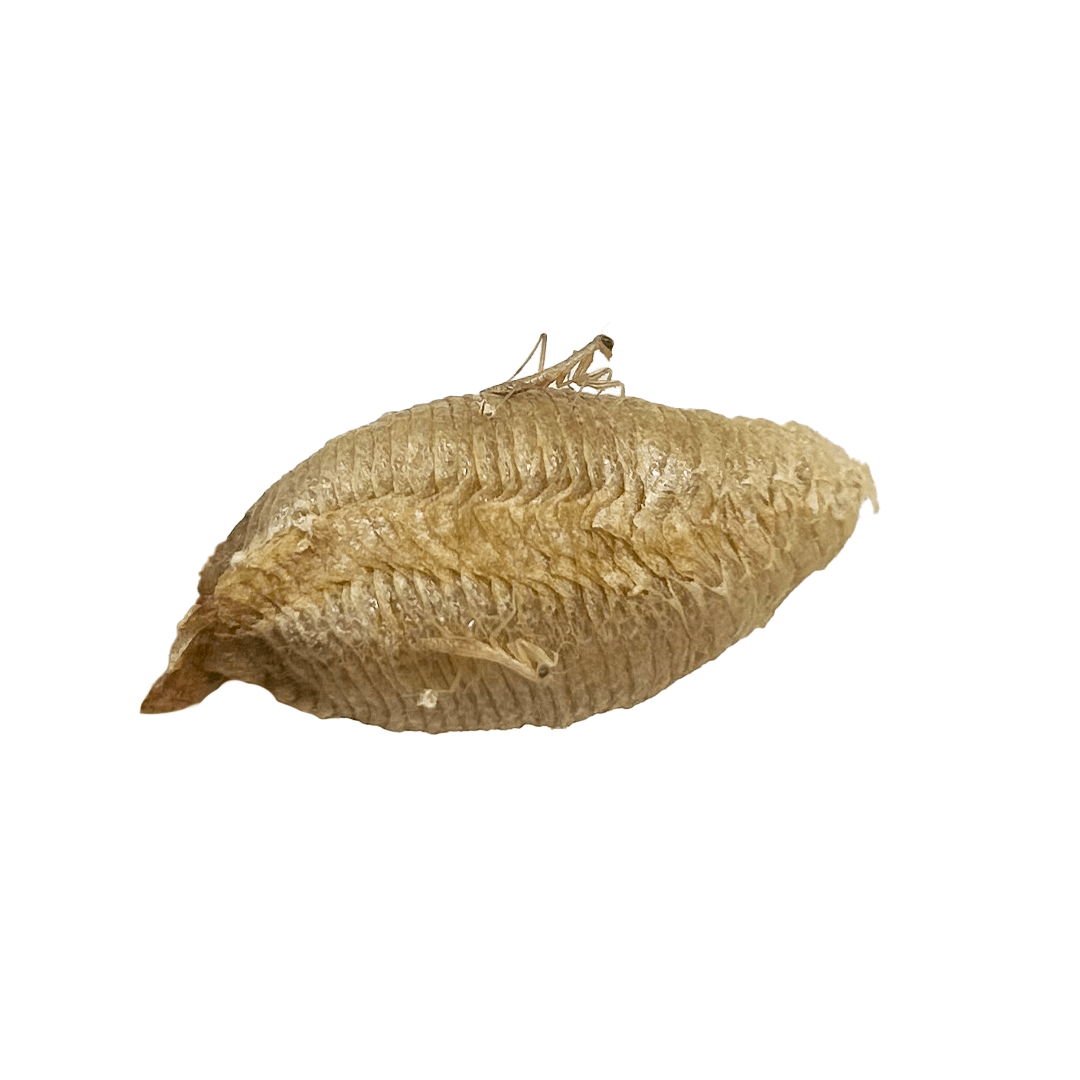
At first glance, it's easy to overlook a Praying Mantis egg case in the wild! A praying mantis egg case, called an ootheca, is a foam-like structure that hardens into a firm, protective casing. Usually grey or light brown and shaped like an uneven sphere, it has a spongy or "styrofoam" texture which later becomes tougher and more like paper.

Where Are Praying Mantis Eggs Found?
Most oothecae measure about 1–2 inches long and are securely attached to surfaces such as branches, tall grasses, fences, or siding. They contain hundreds of eggs packed within the insulating foam, which helps regulate temperature and shield the developing "nymphs" (baby mantises) from predators and harsh weather. Egg cases are commonly found attached to sturdy, upright surfaces that offer protection and stability. Luckily, you don't need to go on a wildlife safari to try and find one out in nature: Insect Lore has got you covered!
Can I Move a Praying Mantis Egg Sack?
Make sure to handle your egg case gently and carefully. Make sure to keep it dry, and avoid exposing it to direct, intense heat. Ensure that they are kept in an indoor location in room temperatures of around 70 degrees. As the egg cases are meant to be above ground level, make sure they are balanced on a Praying Mantis Hatching Plant.
How to Care For Praying Mantis Eggs
The Egg Case is meant to stay inside the Pop-Up Port-A-Bug, as once your mantis nymphs emerge there will be dozens if not hundreds of them! That's why it's important to ensure they stay inside the habitat until you are ready to release them!
1. Provide a Habitat for Your Mantises
Your praying mantis egg case, or ootheca, will arrive in a clear plastic months and will need a few weeks of warmth in order to hatch. Transfer the egg case to a clean, ventilated habitat that will allow you to clearly see the egg case hatch.
2. Transfer your Egg Case
Your praying mantis egg case has been dormant during the cold winter months and will need a few weeks of warmth in order to hatch. Suspend the egg case in the Hatching Plant Egg Case Holder and place in the habitat. To purchase a Hatching Plant Egg Case Holder visit Insectlore.com. (link to be added later)
Maintain the egg case at room temperature; your tiny nymphs should hatch within 12 weeks. Provide humidity by misting the enclosure (DO NOT MIST THE EGG CASE DIRECTLY) very lightly with water once a week. Dehydration is one of the main reasons nymphs in an egg case will struggle to emerge. Finally, Do not expose your egg case to sunlight or drafts!
3. See Your Mantis Friends Emerge!
Mother Nature decides when it is time for the egg case to hatch. It usually takes between 3 to 6 weeks for your baby mantises to emerge, but sometimes it may take up to 12 weeks. It is important to be patient and mindful of the incredible changes occurring inside the egg case. Amazing things are happening!
Your patience will finally be rewarded when the nymphs emerge from the egg case. One day, suddenly, 75 to 200 hatchlings will appear! That's right - there's around 100 on average in each tiny egg case! Do not disturb the habitat while the nymphs are emerging from the egg case.
If the egg case falls or rolls the nymphs can be injured. Do not touch the hatchlings while they are emerging. They are very fragile at this time.
4. Release Your Nymphs
Praying mantises are predators and may threaten each other after they hatch if no other food source is available. The egg case contains dozens of nymphs because their mortality rate is naturally high.
Release the nymphs into your garden soon after emergence. Unzip the habitat and very gently shake the nymphs into the garden, or place the open habitat in the garden to allow the nymphs to leave on their own
Learn more about Praying Mantises with Insect Lore
Insect Lore's Praying Mantis raising kits are more than a life cycle lesson. They're an invaluable educational experience that teaches children, students and adults alike profound lessons of biology, nature, and science while also helping to train teamwork, patience and mindfulness.
It's the perfect screen-free alternative for any parent or teacher ready to give their children an unforgettable learning journey! Check out Insect Lore Praying Mantis Products or visit our Praying Mantis Blog articles to continue your education on the mighty mantis!


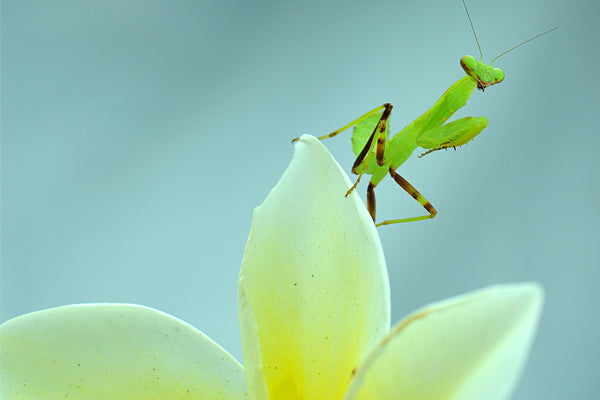

How Many Different Types of Praying Mantis Are There?
In this article, you'll learn about mantis anatomy, hunting strategies, life cycles, and how to identify common species you might encounter on your outdoor travels.
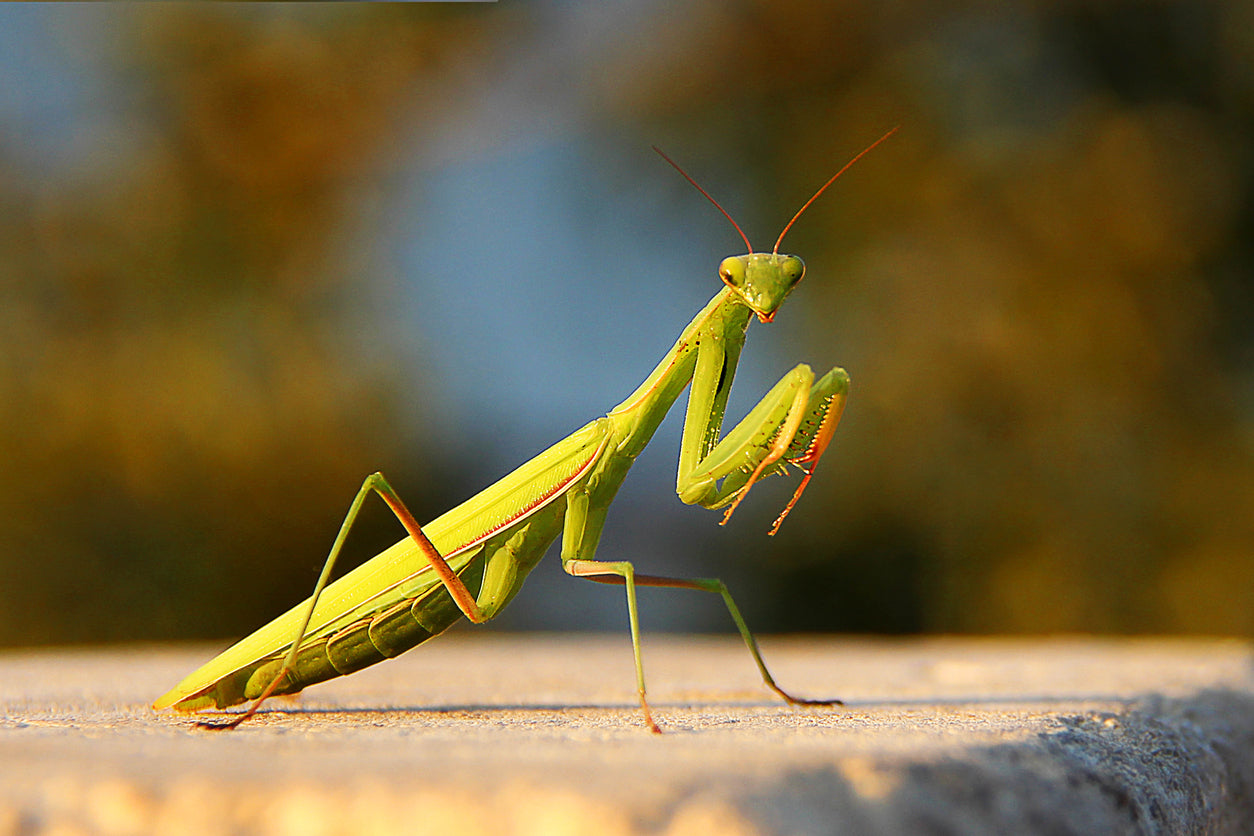

Defense Mechanisms of the Praying Mantis
The Praying Mantis may be tiny, but there's more to these insects than meets the eye! in a dangerous wild world filled with hungry predators, the mantis needs to use every tool at it's disposal to survive and thrive! Read on to discover how the Praying Mantis uses a unique and powerful system of mechanisms to make its way in nature.
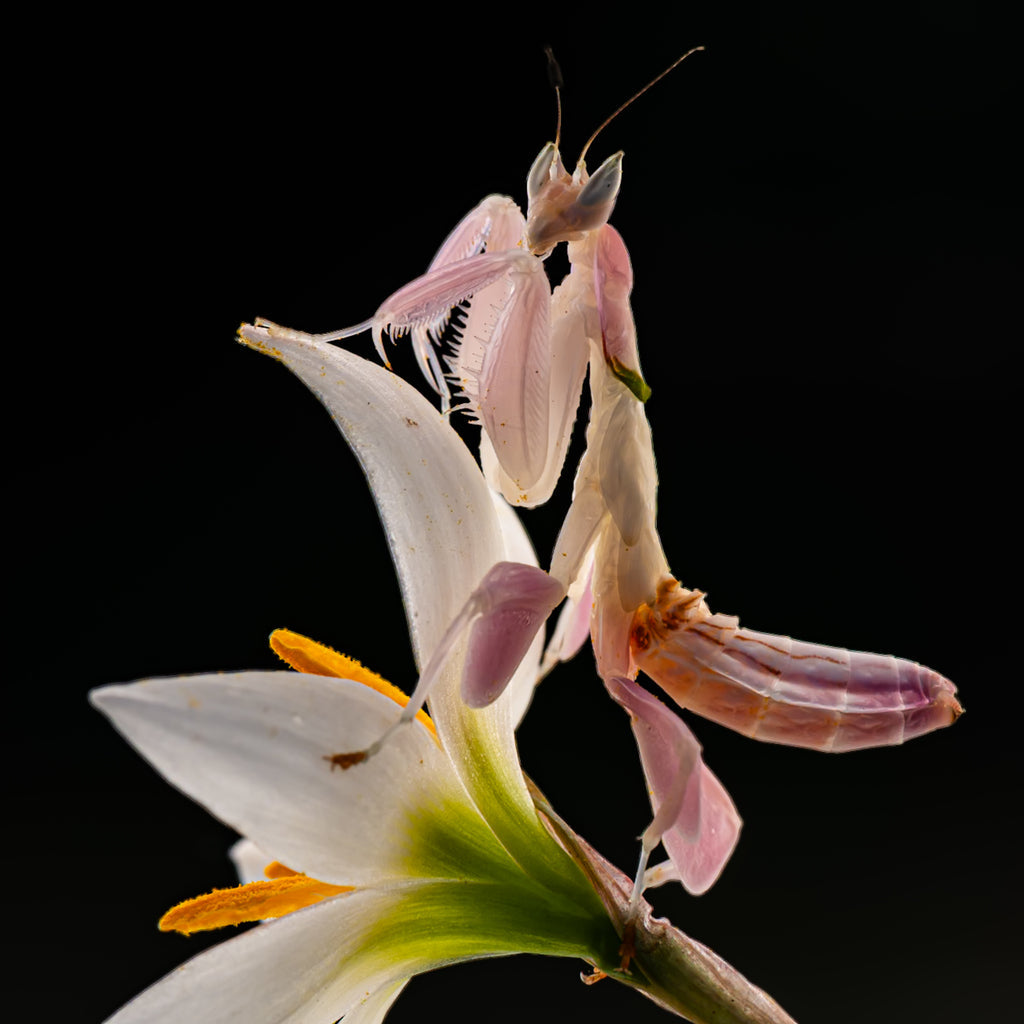

Cultural Symbolism of the Praying Mantis
In this article, you’ll discover the meanings and beliefs associated with the praying mantis across different cultures. You won't believe what you'll discover!

Enter Your Voucher Code Below
Our insects are sensitive to outdoor temperatures. We recommend ordering when daytime temperatures are below 90 degrees.
We are unable to combine redemption fees. If you are redeeming 1-5 voucher codes, please complete separate purchases through our website for each voucher. If you are redeeming 6+ vouchers, please email us at customerservice@insectlore.com with your voucher codes and shipping address and we'll send you a custom invoice for payment.
$title
Thank you for Redeeming your voucher!
You redeemed a $title
Redemption Fee :$redemptionFee
$upsellList
$ctaLabel

Don't miss this special one Time Offer.
Check the Box to Add this Special Offer to your Cart
$upsellTitle
$upsellPrice
Don't miss this special one Time Offer.
Check the Box to Add this Special Offer to your Cart
$upsellTitle
SAVE $upsellSavePrice